Aesthetic Flush Fitting
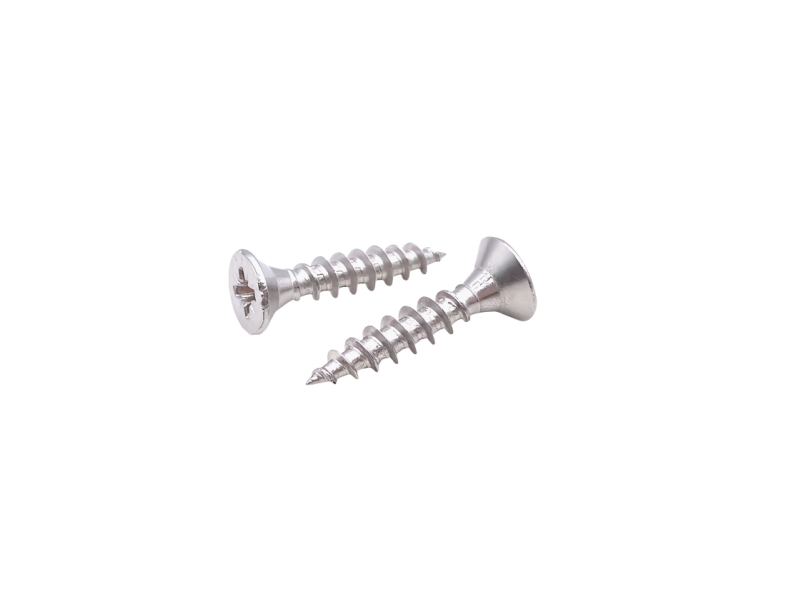
Combines a flush countersunk base with a rounded oval top, eliminating sharp edges while delivering a sleek, premium visual appeal for exposed panels.

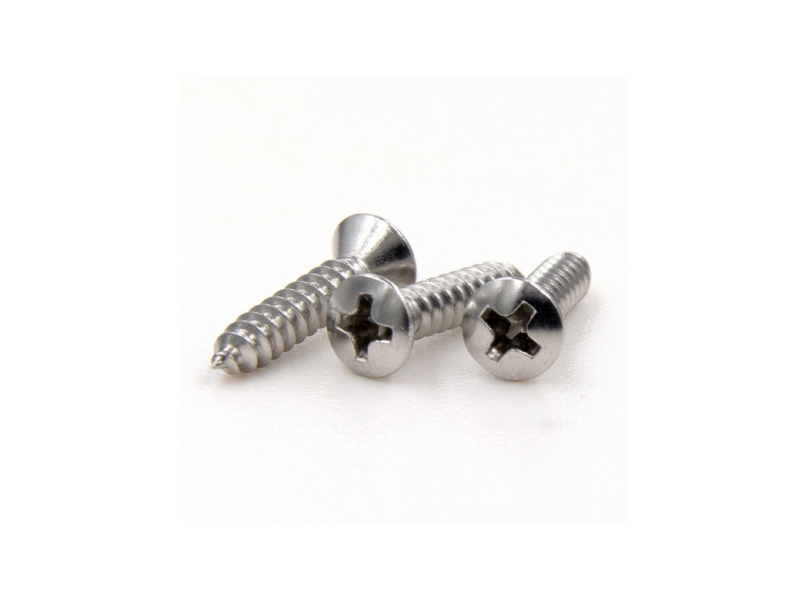
DIN 7983 is a cross-recessed semi-countersunk self-tapping screw that has now been superseded by the international standard ISO 7051.
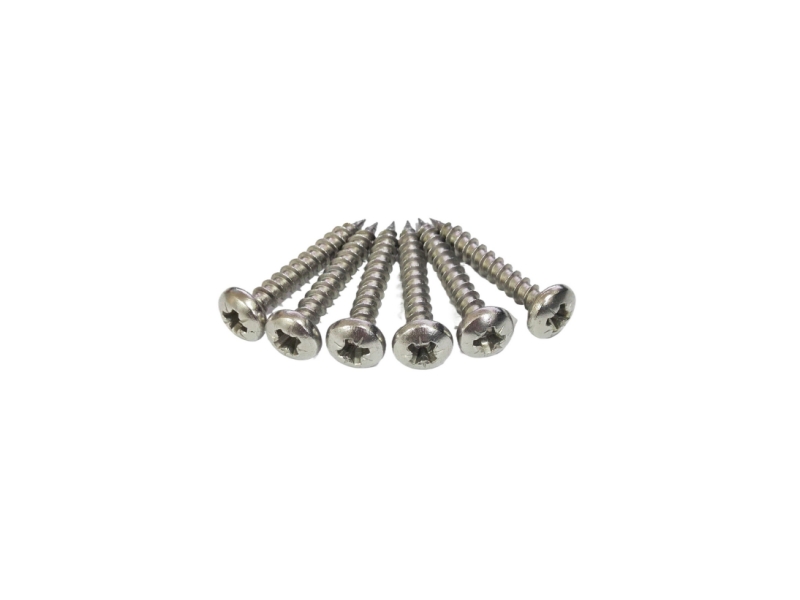
It is also commonly referred to as a semi-countersunk or domed-head self-tapping screw and is frequently used for fastening thin metal sheets, plastics, or wood, combining the flush finish of a countersunk screw with the aesthetic appeal of a round-head screw.
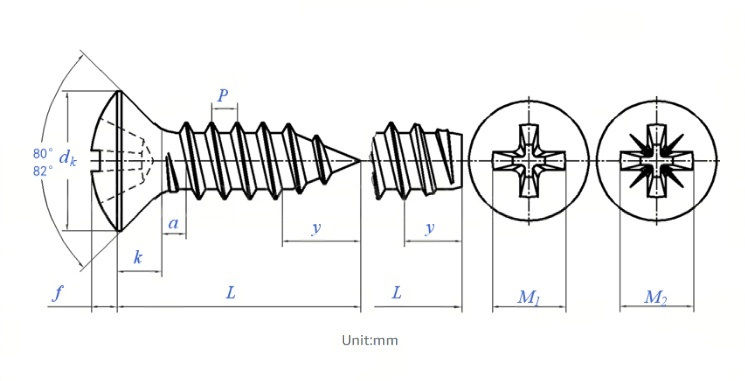
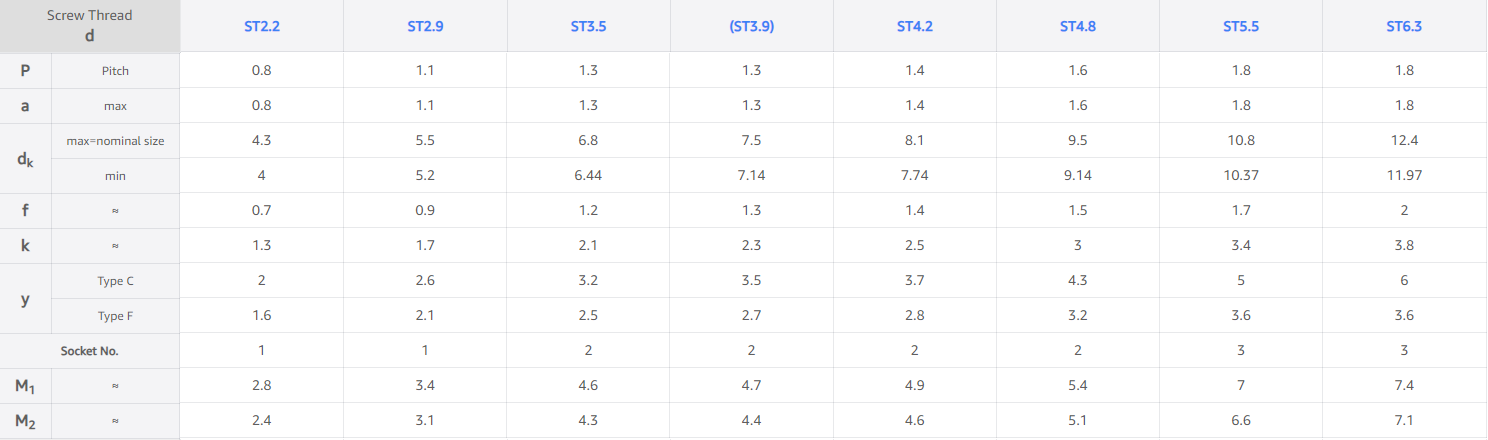
Design: It features a countersunk cone (typically an 80° to 90° angle depending on the exact standard variant) that sits flush within a chamfered hole, but has a slightly rounded, decorative dome top.
Purpose: It combines the flush-fitting neatness of a countersunk screw with the aesthetic appeal and slight extra drive depth of a pan head.
These screws are designed to cut or form their own mating threads when driven into pre-drilled or punched holes in sheet metal, plastics, or resin-bonded materials.
Form C: Pointed end (most common for general sheet metal).
Form F: Flat/blunt end (often used when clearance space behind the substrate is limited).
Traditionally, DIN 7983 specifies a cross recess (Phillips or Pozidriv), though modern manufacturing often adapts the head shape to Torx (six-lobe) drives for better torque transfer in automated assembly.
Combines a flush countersunk base with a rounded oval top, eliminating sharp edges while delivering a sleek, premium visual appeal for exposed panels.
Elimination of pre-tapping streamlines automated assembly, while the interference fit ensures superior vibration and looseness resistance.
Minor head and recess dimension variations. They are functionally interchangeable globally.
Unhardened stainless steel lacks sufficient hardness to pierce metal substrates without shearing.
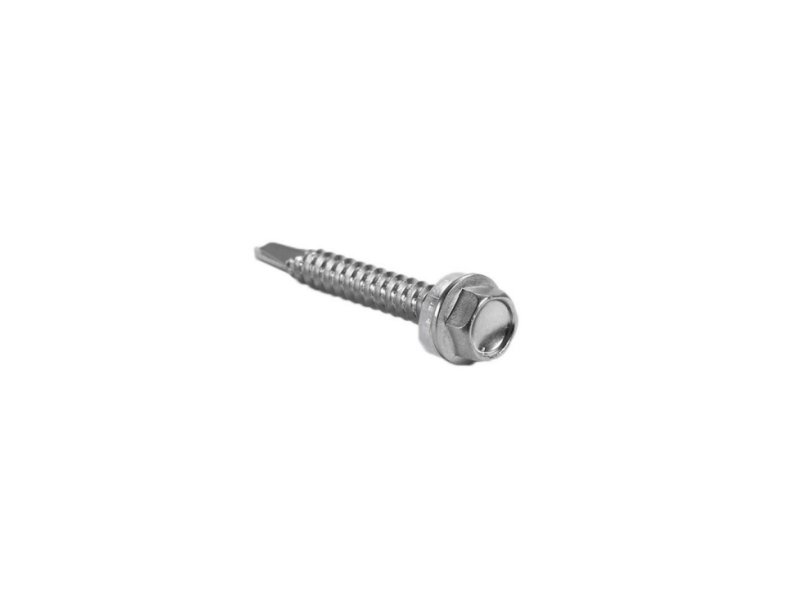
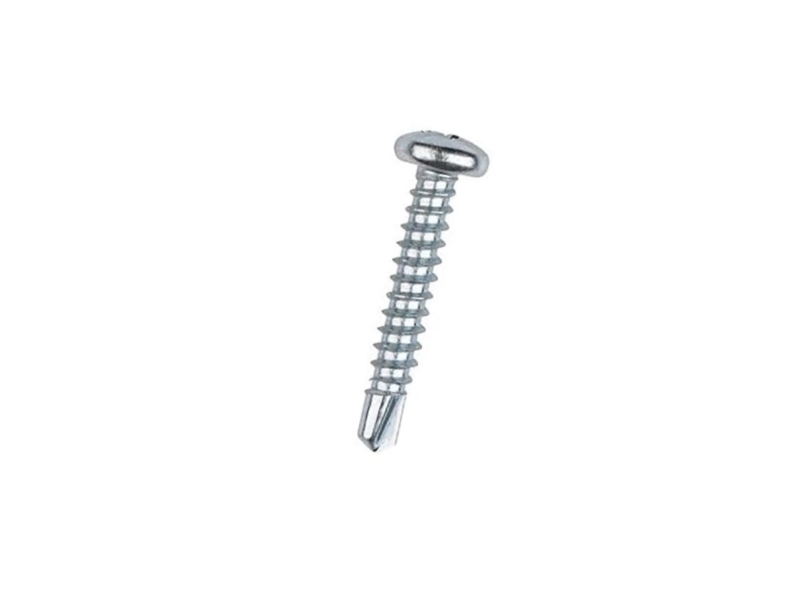
No. Self-drilling screws integrate a drill point; tapping screws require pilot holes.
Apply thread-locking adhesives or specify modified anti-loosening features to prevent back-out.