High Clamping Force
Flat under-head profile maximizes contact area, distributing pressure evenly to prevent material deformation.
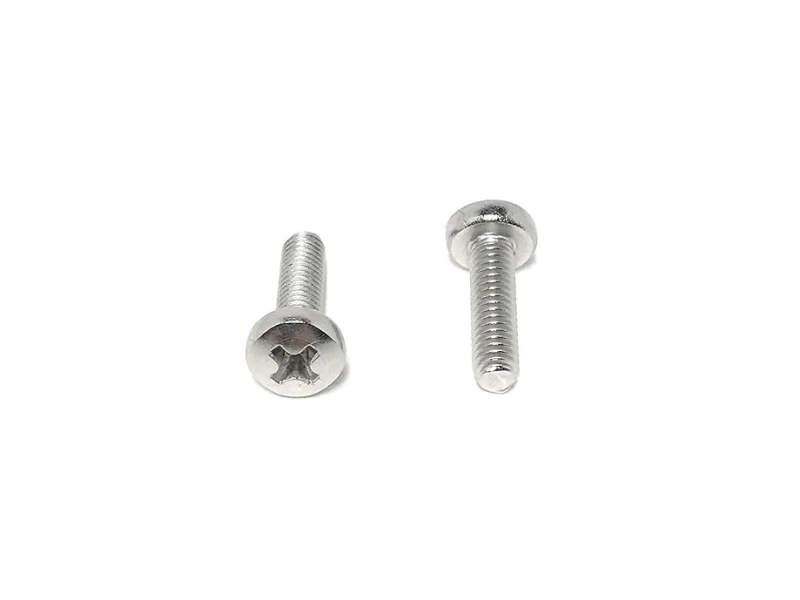
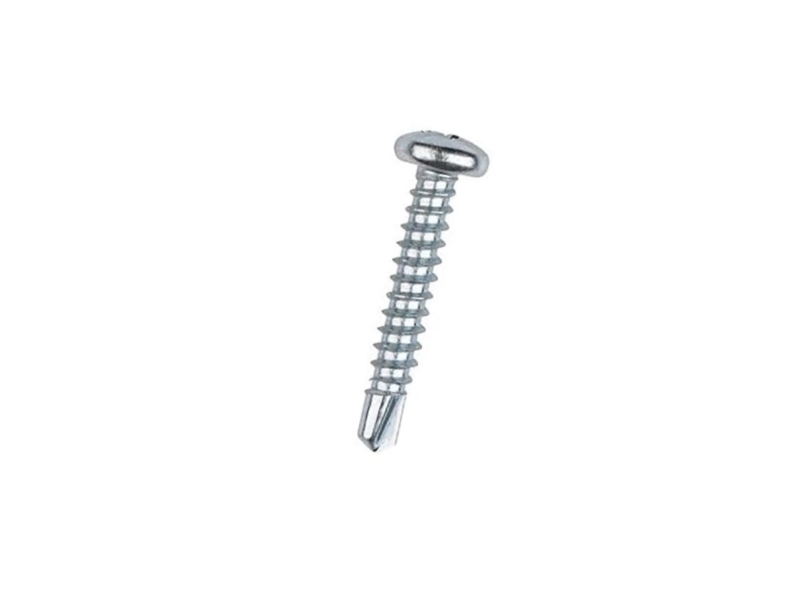
DIN 7985 is a standard for cross recessed pan head machine screws, designed for precise and reliable fastening in mechanical and electrical assemblies.
These screws feature a rounded pan head, a cross drive (Phillips or Pozidriv), and a metric machine thread, making them ideal for controlled torque applications where surface clamping strength is required without countersinking.
Today, DIN 7985 is technically replaced by DIN EN ISO 7045, but it remains widely used in global procurement and engineering drawings.
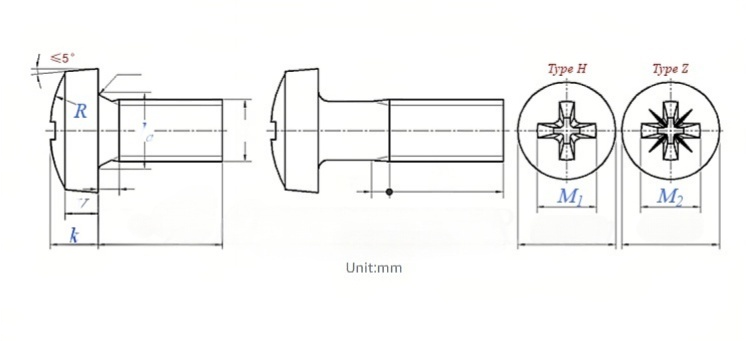
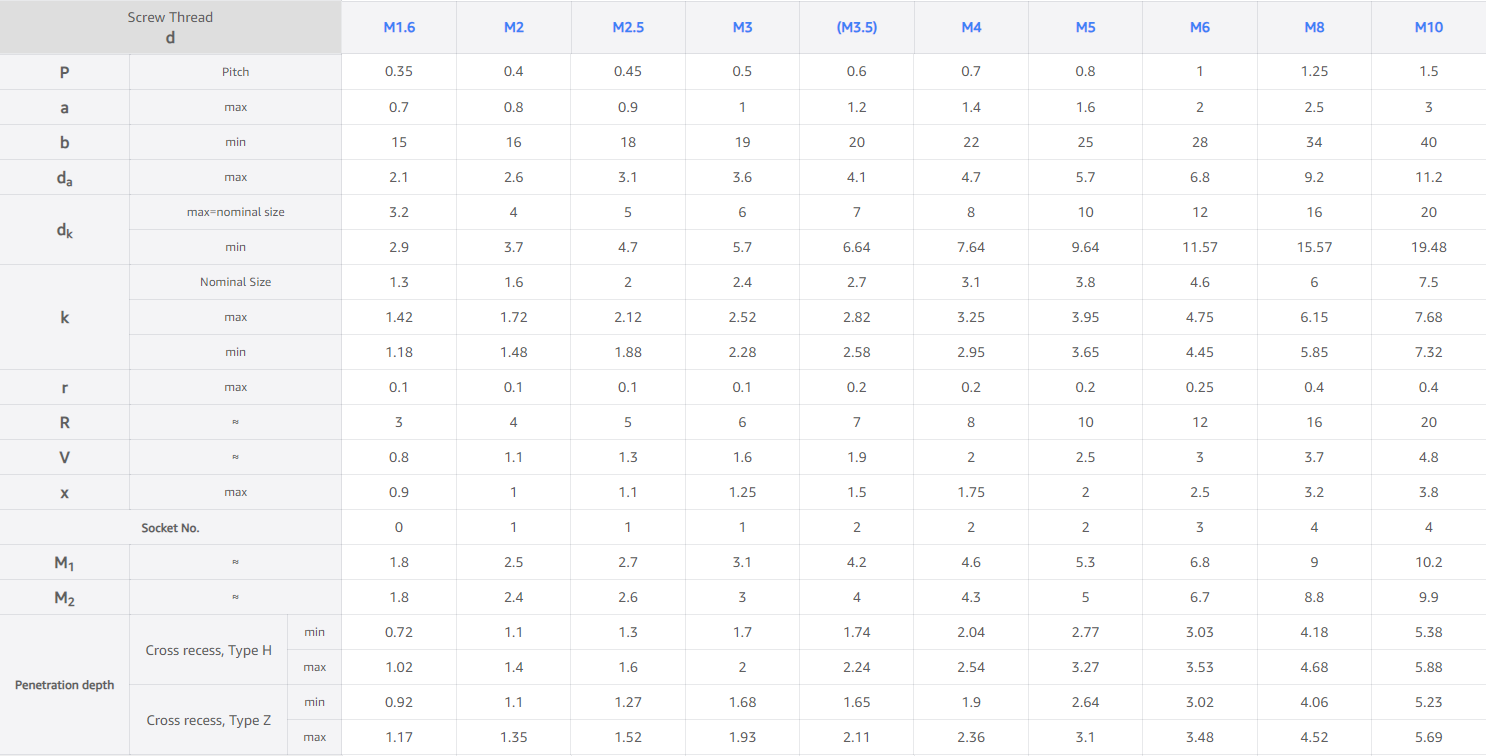
While practically interchangeable in most commercial applications, there are subtle geometric differences specified in the standards:
Head Dimensions: ISO 7045 slightly modifies the head diameters (dk) and head heights (k) for specific sizes (e.g., M3, M4, M5) compared to the older DIN 7985 blueprint to optimize material distribution and drive depth.
Penetration Depth: The cross-recess penetration depths can vary minutely between the two standards, affecting the maximum seating torque before cam-out occurs.
Flat under-head profile maximizes contact area, distributing pressure evenly to prevent material deformation.
Deep cross recess ensures self-centering and high torque transmission, optimized for automated lines.
ISO 7045 is the superseding standard; they are functionally interchangeable with minor variations in head dimensions.
No. The pan head sits above the surface; countersunk applications require DIN 965.
Carbon steel (Class 4.8/5.8/8.8, zinc-plated) and stainless steel (A2-70/A4-70).
Fastening thin metal plates or soft materials in electronics, appliances, and machinery enclosures.