Stronger Thread Engagement
Higher nut height provides longer thread engagement, improving load capacity and connection strength.
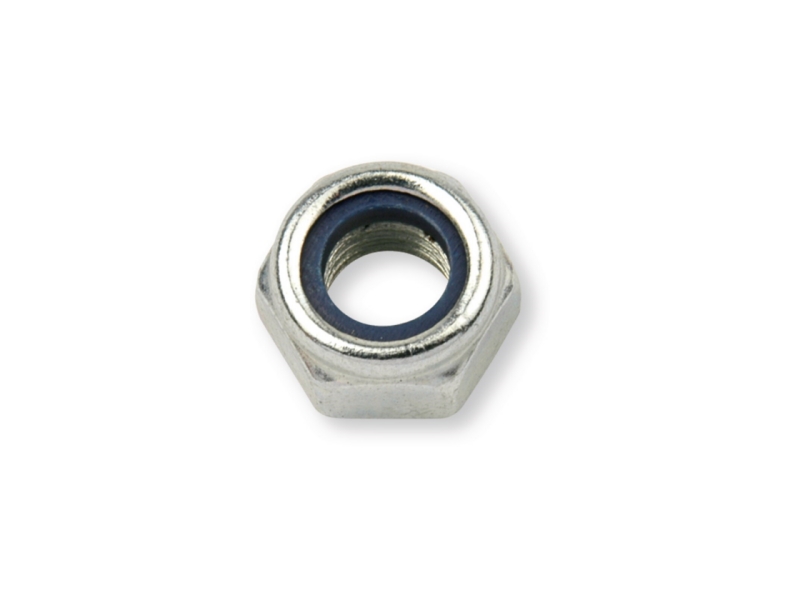
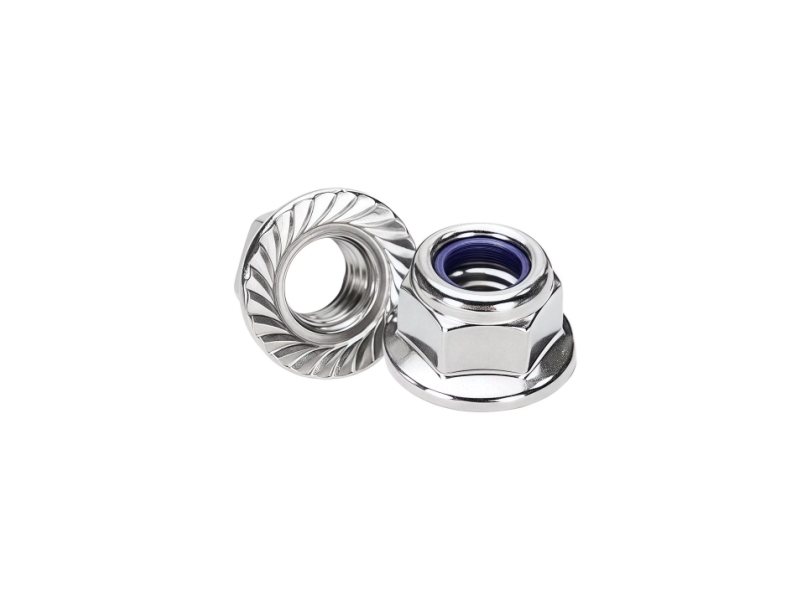
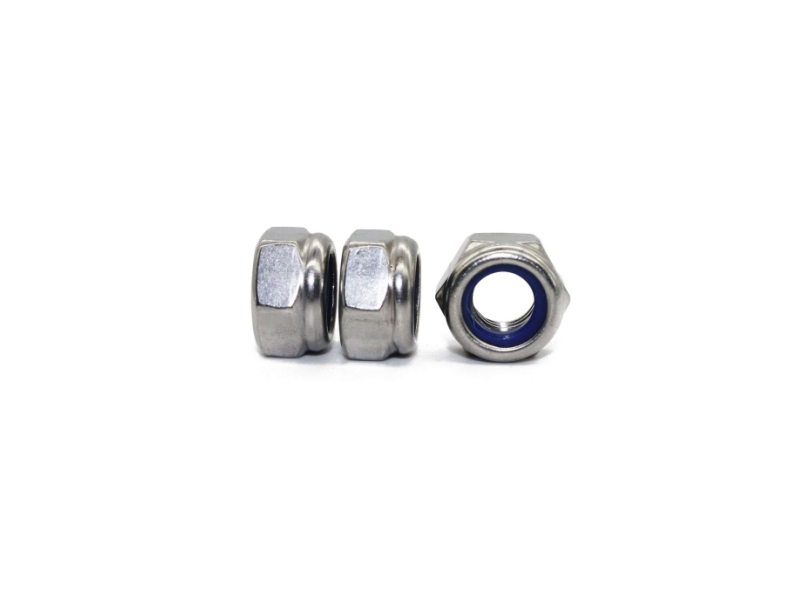
DIN 6924 is a German standard for prevailing torque type hexagon nuts with non-metallic insert, commonly known as nylon insert lock nuts (Nyloc nuts). The nut integrates a polyamide (PA) locking ring inside the top portion, creating resistance against loosening caused by vibration and dynamic loads.
DIN 6924 lock nuts are designed to provide secure fastening without additional locking washers or adhesives. The non-metallic insert creates friction on the bolt thread, preventing accidental loosening while maintaining easy installation with standard tools.
Although DIN 6924 has been withdrawn and replaced by international equivalents such as DIN EN ISO 7040 and DIN EN ISO 10512, it remains widely used in industrial specifications and customer drawings, especially in European markets.
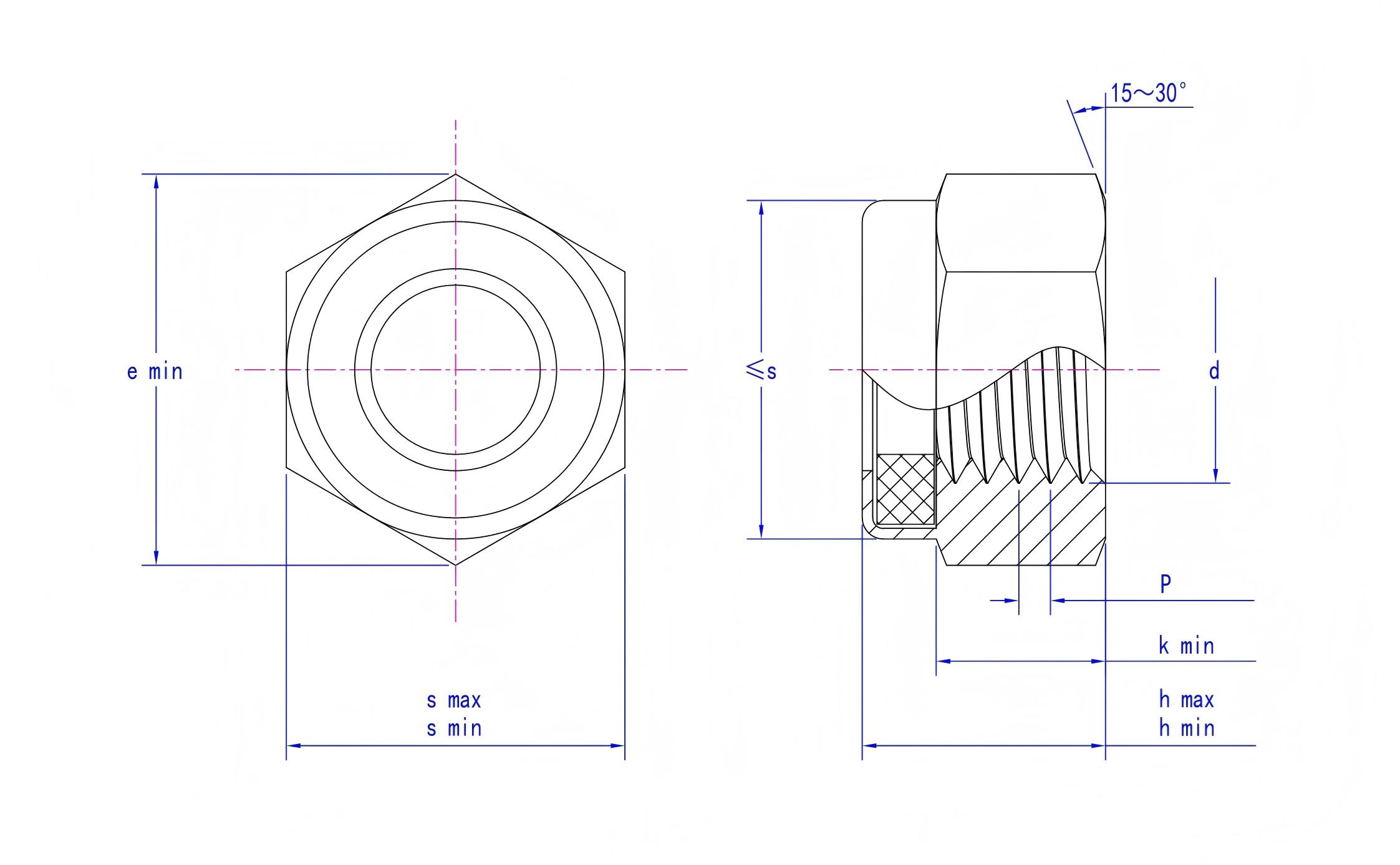
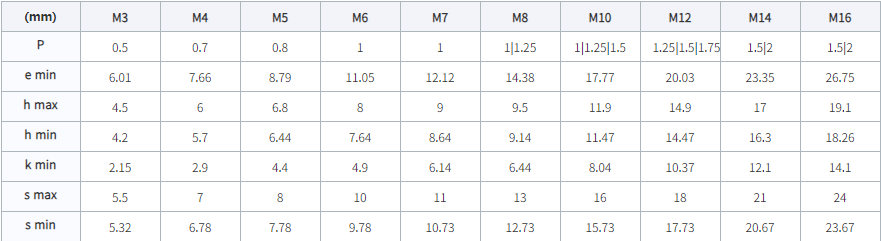
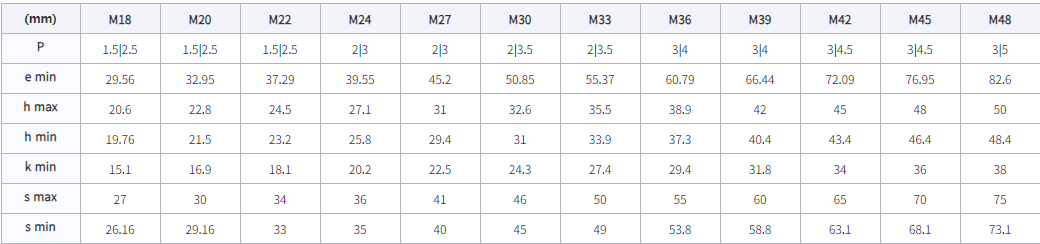
Higher Strength & Better Thread Engagement
DIN 6924 has a higher nut profile and longer thread engagement than DIN 985, providing better load distribution and stronger fastening performance. It is more suitable for heavy-duty applications.
Compact Design & General Applications
DIN 985 features a lower profile design, making it ideal for applications with limited installation space and medium-load fastening requirements.
Different Application Focus
DIN 6924 is commonly used in automotive, machinery, and industrial assemblies where higher vibration resistance is required. DIN 985 is widely used for general mechanical fastening where a compact self-locking nut is needed.
Simply put:
DIN 6924 = Higher strength + better locking performance
DIN 985 = Compact size + general-purpose locking.
Higher nut height provides longer thread engagement, improving load capacity and connection strength.
The nylon insert creates reliable prevailing torque, preventing loosening under vibration and dynamic loads.
No. Both use nylon inserts, but DIN 6924 generally has a higher nut profile and greater thread engagement compared with DIN 985.
DIN 6924 uses a nylon insert for locking, while metal lock nuts use thread deformation or metal locking elements. Nylon lock nuts provide better thread protection but have lower temperature resistance.
DIN 6924 is used for applications requiring a self-locking nut that can resist vibration and prevent accidental loosening.
DIN 6924 should be matched with standard metric bolts such as DIN 931, DIN 933, ISO 4014, and ISO 4017 with compatible thread sizes.