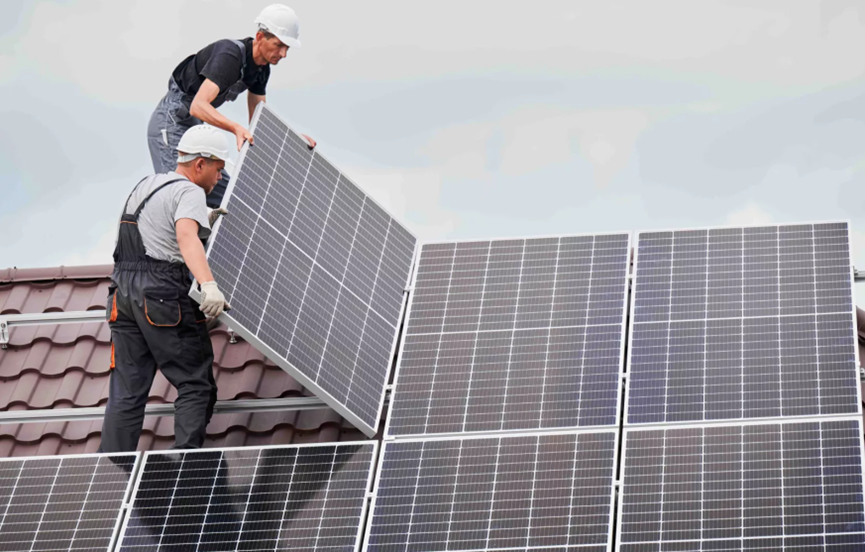
1. Why Hanger Bolts Matter
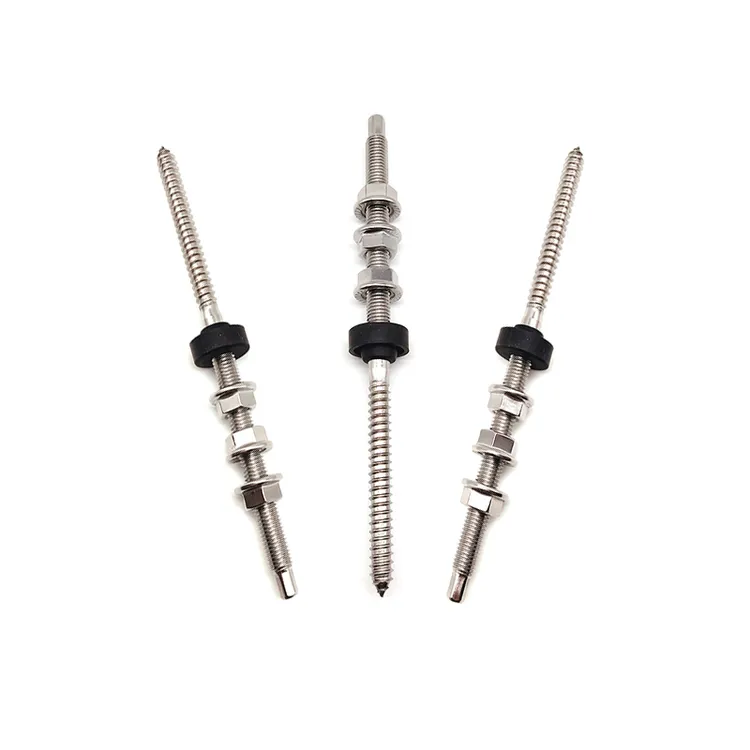
Hanger bolts are small but decisive in the safety and lifespan of solar mounting systems. In any PV system, they connect the racking structure to the roof, transferring wind and snow loads, ensuring waterproof reliability, and supporting durable, trouble-free operation.
2. Key Differences: Residential vs Commercial Solar Projects
2.1 Structure and Scale
- Residential: Smaller systems (5–20kW), usually on pitched tile or asphalt roofs with wood rafters. Priorities: waterproofing, aesthetics.
- Commercial: Larger systems (50kW–megawatts), typically on flat or metal roofs with steel beams/concrete. Priorities: load capacity, installation speed, efficiency.
2.2 Performance & Regulations
- Residential: Focused on leak prevention and easy install—because even minor leaks are costly.
- Commercial: Robust anchoring, corrosion resistance, and compliance with standards like UL 2703. Large arrays demand quick, standardized installation.
2.3 Specifications & Certifications
- Residential: M8–M10 SUS304 bolts, EPDM gaskets, flashing plates; must meet building codes.
- Commercial: M10–M12+ SUS316/SUS410, self-drilling designs, higher standards for safety and durability.
3. Real Project Examples
3.1 Residential: 8kW Home in California
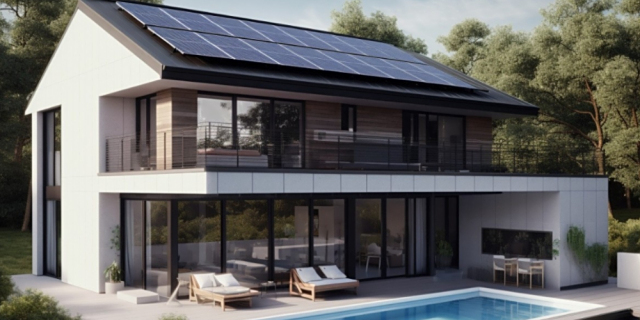
Background: Pitched cement tile roof with wooden rafters spaced 24 inches apart.
Specification: M10×200mm SUS304 bolts with EPDM gaskets and aluminum flashing.
Installation process:
- Locate rafter centers using a stud finder.
- Drill pilot holes to prevent wood splitting.
- Drive bolts into rafters to the specified torque.
- Insert flashing beneath tiles, compress EPDM gaskets, and apply professional roof sealant for triple-layer waterproofing.
- Attach L-foot and racking components.
Challenges: Uneven tile surfaces increased waterproofing difficulty.
Solution: Use pre-formed flashing kits for reliable sealing; train installers to follow torque standards strictly.
3.2 Commercial: 250kW Logistics Center in Texas
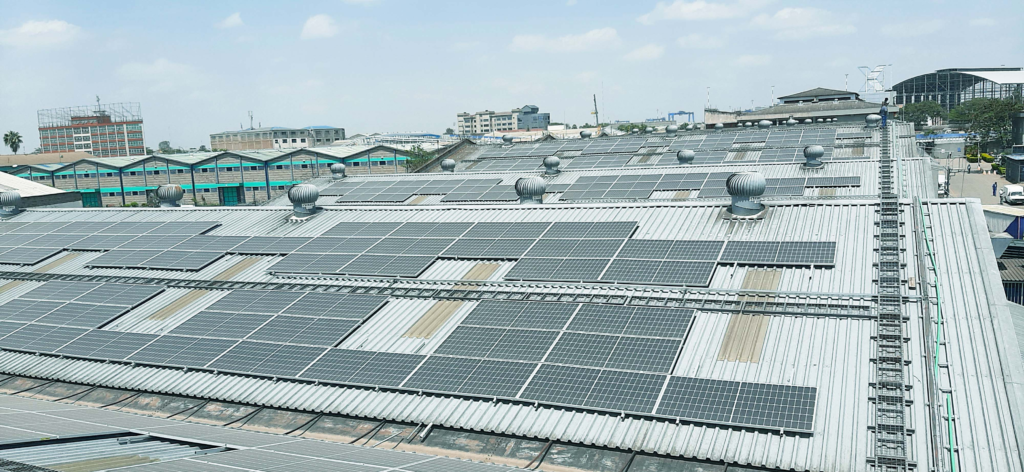
Background: Trapezoidal sheet metal roof with steel purlins spaced 1.5 meters apart, located in a high-wind zone.
Specification: M12×250mm SUS316 self-drilling hanger bolts with cutting tips and EPDM gaskets.
Installation process:
- Plan bolt layout based on structural engineering and wind load reports.
- Fasten self-drilling bolts directly through sheet metal into steel purlins.
- Install adapter plates to fit the roof’s trapezoidal ridges.
- Lay out rails and mount PV modules efficiently.
Challenges: Ensuring installation consistency across large areas and addressing thermal expansion in metal roofs.
Solution: Standardized pre-assembled kits accelerated installation; flexible connectors accommodated thermal movement, preventing stress on bolts and roof structures.
4. Cost & ROI Analysis
- Hardware: Commercial bolts are bigger and higher-grade, but bulk purchasing lowers unit cost.
- Installation/Maintenance: Residential jobs are labor-intensive and slow; commercial teams work faster and more efficiently per kW.
- ROI Impact: Quality hanger bolts prevent leaks, downtime, and repairs—protecting both property and energy yield over 25+ years.
5. Quick Comparison Table
| Aspect | Residential PV Projects | Commercial PV Projects |
|---|---|---|
| Scale | 5–20kW | 50kW–MW+ |
| Roof Type | Pitched (tile, asphalt) | Flat/large-span metal |
| Substructure | Wood rafters | Steel/concrete |
| Priority | Waterproofing, aesthetics | Load, efficiency, durability |
| Bolt Specs | M8–M10, SUS304 | M10–M12+, SUS316/410 |
| Installation | Precision, small teams | Standardized, assembly-line |
| Certification | Building codes | UL 2703, structural codes |
| ROI Risk | Leak, repair cost | Downtime, asset loss |
6. Conclusion & Recommendations
- Residential systems: Prioritize waterproofing, aesthetic integration, and highly accurate installs.
- Commercial systems: Invest in mechanical strength, durability, and efficient, standardized assembly.
Pro Tips:
- Assess roof, load, and environment before choosing hanger bolts.
- Always use quality bolts and certified components.
- Train all installers on torque requirements and manufacturer protocols.
7. FAQ
Q1: What’s the most common hanger bolt failure?
A: Waterproofing issues linked to gaskets or poor installation.
Q2: Best method for waterproofing on pitched roofs?
A: EPDM gaskets, flashing, pro sealants, multi-layer methods, plus regular inspections.
Q3: Why use SUS316 bolts for commercial projects?
A: Superior corrosion resistance—ideal for harsh/coastal climates.
About Us
Suzhou Bilateral Import and Export delivers solar mounting systems, fasteners, and PV accessories for projects worldwide.
Our focus: quality, durability, and long-term success for every installation.
Learn more: www.szbolts.com