Space-Saving Structure
The compact profile allows fastening in narrow areas where standard nuts cannot be installed.

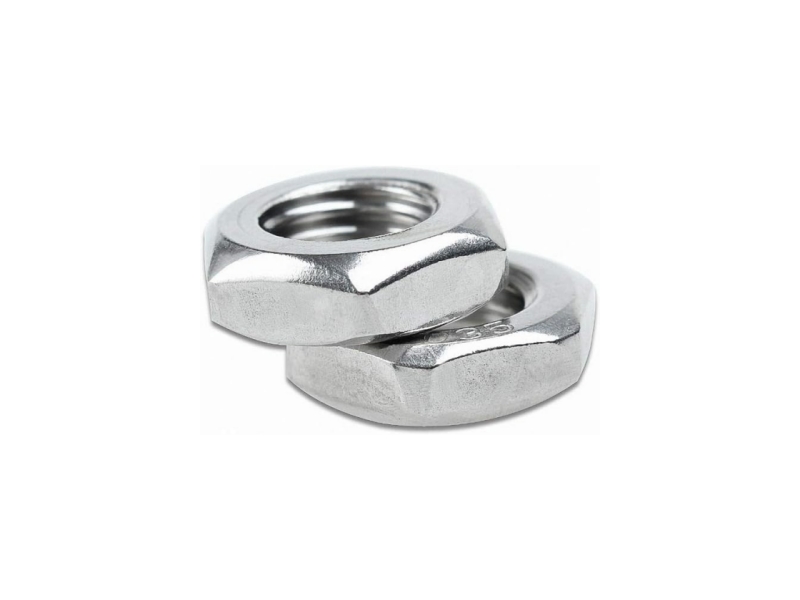
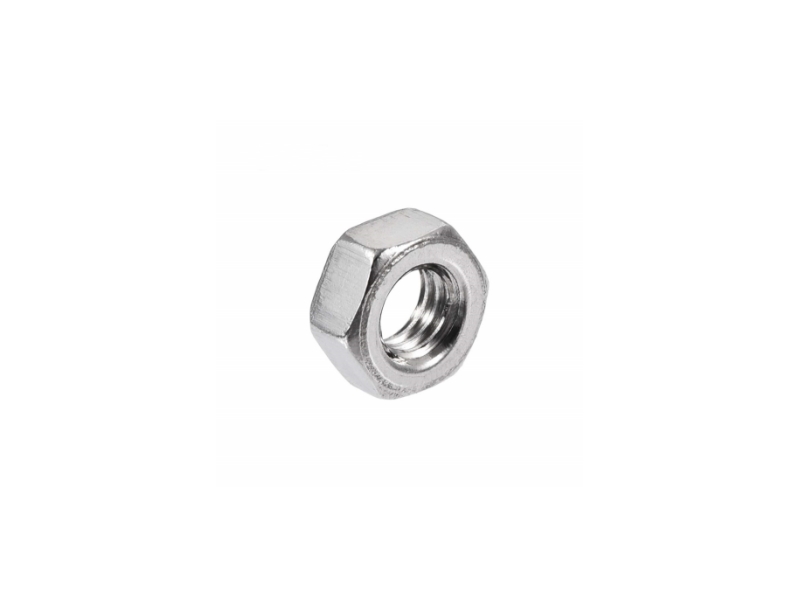
DIN 439 Hexagon Thin Nut, also known as a thin nut, jam nut, or half nut, is a low-profile hexagonal nut designed for applications where installation space is limited. Compared with standard hex nuts, DIN 439 has a reduced height while maintaining reliable thread engagement and clamping performance.
It is commonly used as a locking nut combined with a standard nut, where two nuts are tightened together to prevent loosening caused by vibration. DIN 439 thin nuts are widely applied in machinery, automotive components, precision equipment, and general industrial assemblies.
The original DIN 439 standard has been withdrawn and replaced by international equivalents such as ISO 4035 / ISO 4036 series. However, DIN 439 remains widely recognized in global fastener markets.
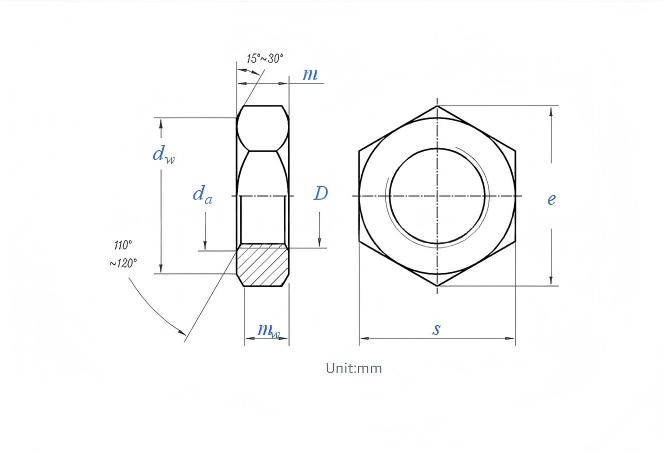

DIN 439 Thin Nut
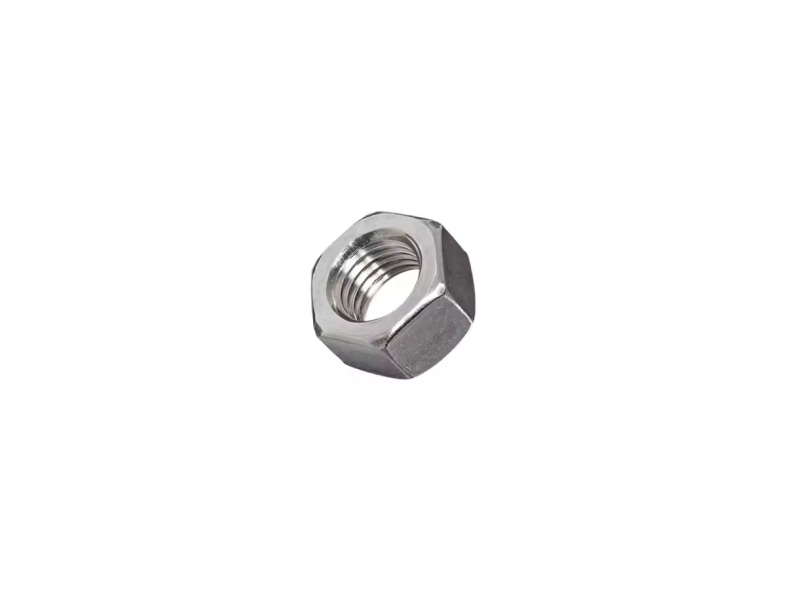
DIN 934 / ISO 4032 Hex Nut
Typical Combination:
DIN 934 + DIN 439 = Double Nut Locking System
The compact profile allows fastening in narrow areas where standard nuts cannot be installed.
When paired with a standard nut, DIN 439 provides additional locking force against vibration loosening.
DIN 439 is a thin hexagon nut mainly used where installation space is limited or as a locking nut combined with another nut.
The main difference is height. DIN 439 is a low-profile thin nut, while DIN 934 is a standard height hex nut designed for primary fastening.
Yes. Custom materials, finishes, packaging, and special thread requirements are available.
Yes, but it is mainly designed for low-load applications or as a secondary locking nut. For high-strength fastening, a standard hex nut is normally preferred.