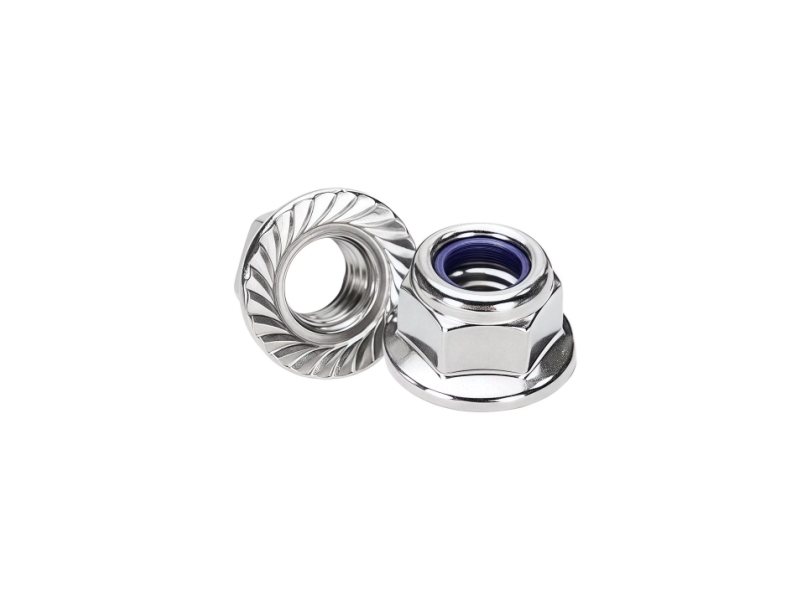
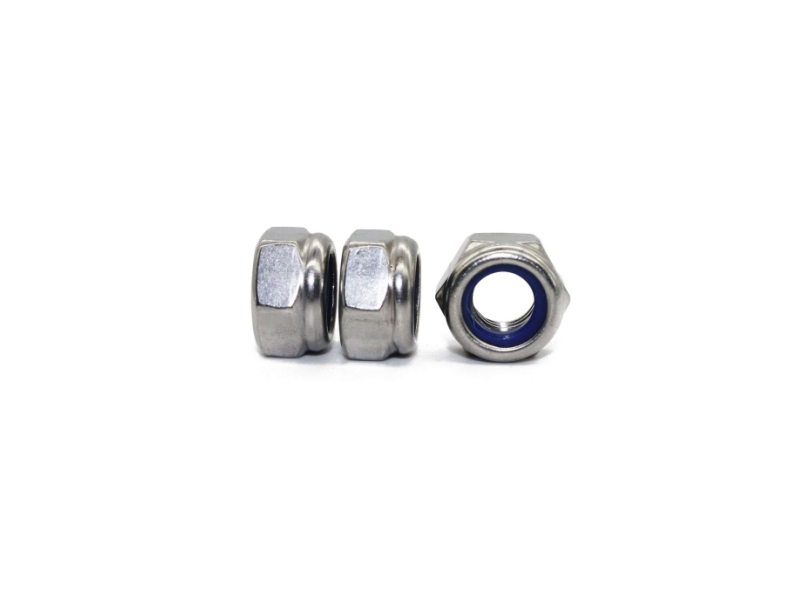
Integrated Flange Design
The built-in flange acts as a washer, increasing the bearing surface and reducing pressure on the connected parts. It helps prevent surface damage and eliminates the need for a separate washer in many applications.

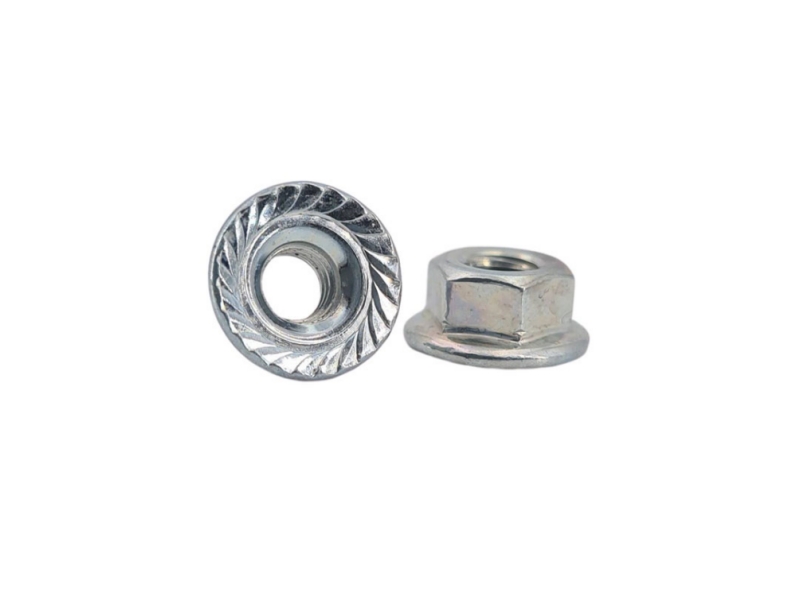
DIN 6923 Hexagon Flange Nut is a metric flange nut standard featuring an integrated circular flange at the base of the hexagonal nut. The built-in flange works as a washer, increasing the bearing surface and improving load distribution during tightening. It is widely used in automotive, machinery, equipment assembly, and structural fastening applications where installation efficiency and surface protection are required.
Available in plain flange and serrated flange designs, DIN 6923 nuts provide reliable fastening solutions for both general assembly and vibration-resistant applications.
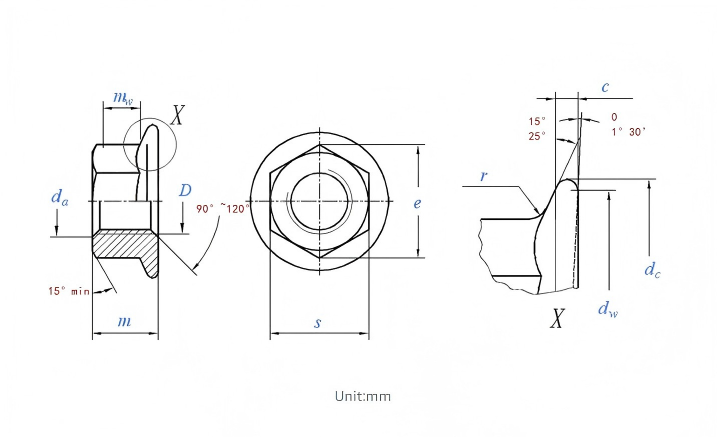
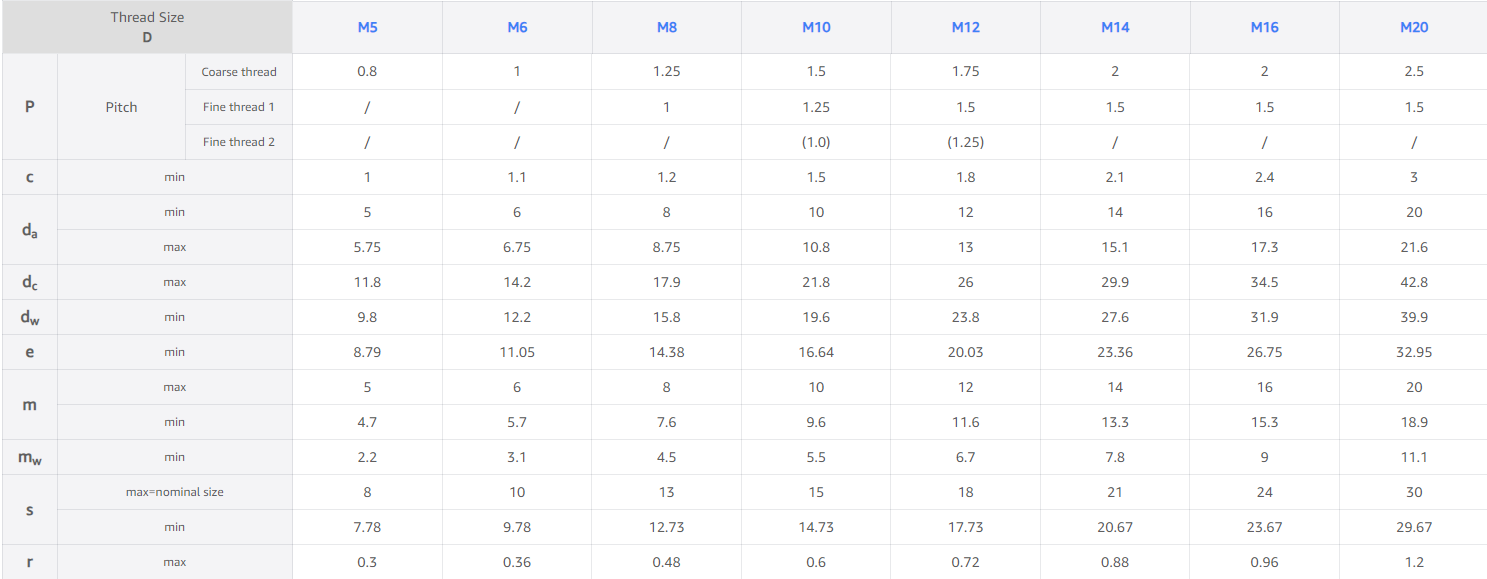
The built-in flange acts as a washer, increasing the bearing surface and reducing pressure on the connected parts. It helps prevent surface damage and eliminates the need for a separate washer in many applications.
The one-piece nut-and-washer design reduces the number of components, simplifies installation, and improves assembly efficiency for high-volume production.
DIN 6923 is a hexagon nut with an integrated flange at the bottom. The flange works as a built-in washer to increase the bearing surface and improve fastening performance.
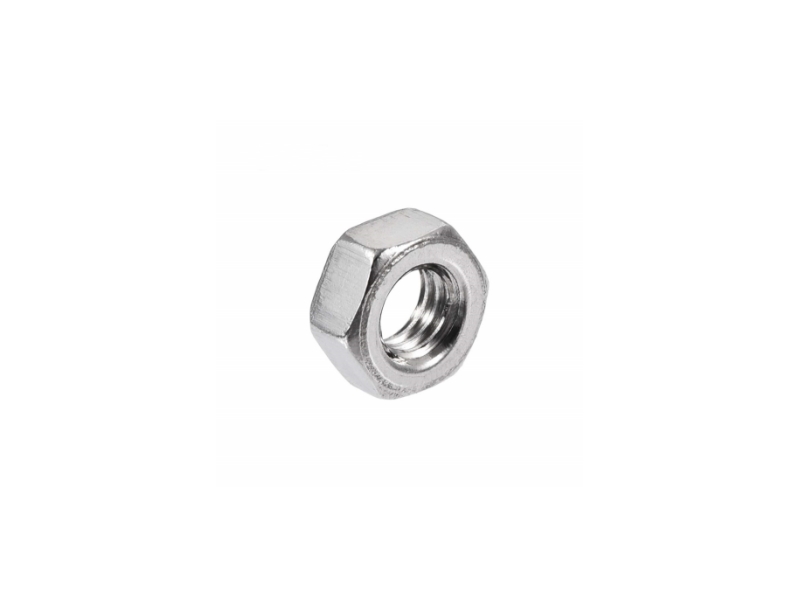
The main difference is the flange design. DIN 6923 has a built-in washer flange, while DIN 934 is a standard hex nut requiring a separate washer for similar applications.
Plain flange nuts provide better surface protection, while serrated flange nuts provide increased resistance against vibration loosening.
DIN 6923 is closely related to ISO 4161. However, dimensional requirements should always be checked before direct replacement.