High Clamping Force
Flat-bottomed pan head maximizes contact area, preventing thin material deformation.
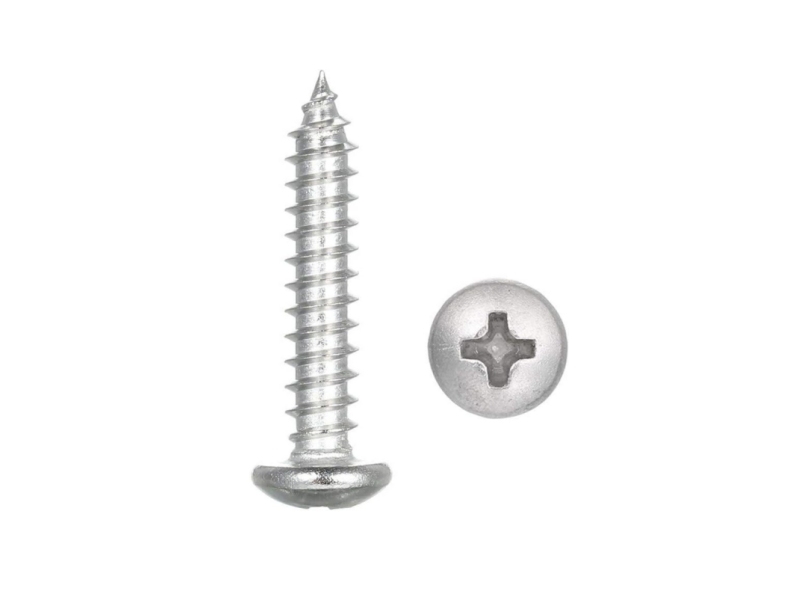
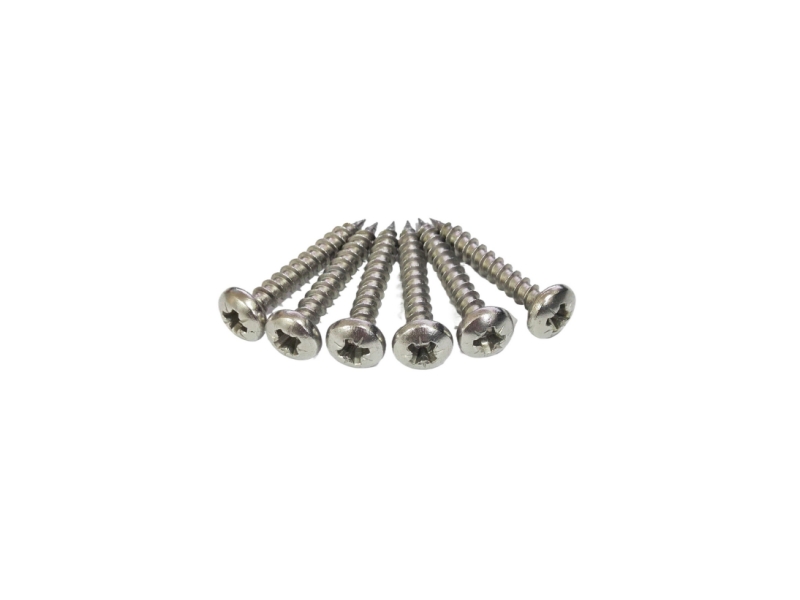
DIN 7981 is the German standard for cross recessed pan head self-tapping screws (Type C / AB thread). It is widely used for fastening sheet metal, plastics, and thin-gauge materials. During installation, the screw forms its own mating thread in a pre-drilled hole, eliminating the need for pre-tapped threads and improving assembly efficiency.
The DIN 7981 standard has been superseded by ISO 7049, but it remains one of the most commonly specified standards worldwide.
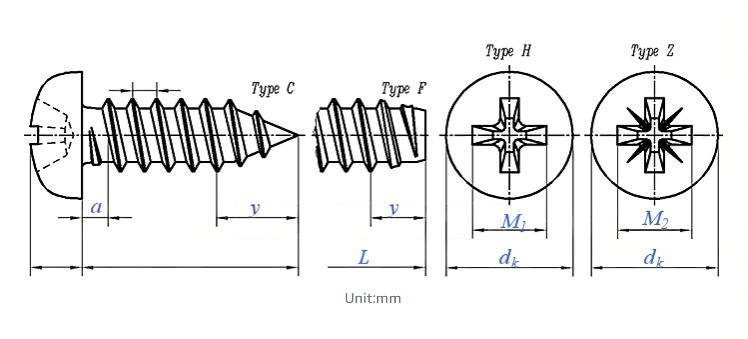
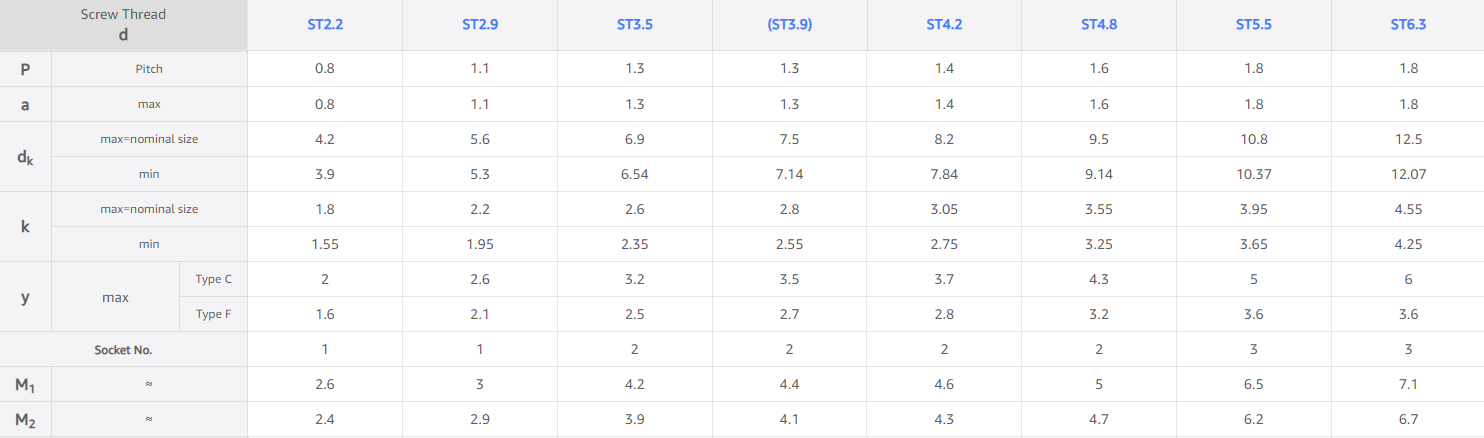
The standard defines the dimensions, drive types, and thread profiles for the fasteners:
Head Style: Pan Head. It features a flat underside and a rounded, low-profile top with a radius edge. It provides a neat appearance and a wide bearing surface to distribute clamping pressure.
Drive Types:
Form H: Phillips cross-recess (most common).
Form Z: Pozidriv cross-recess (provides better torque transmission and less cam-out).
Thread Types:
Type C: Pointed tip (cone point), used for pre-drilled holes in sheet metal.
Type F: Flat tip (blunt point), often used in blind holes or plastic applications where a sharp point might damage internal components.
Flat-bottomed pan head maximizes contact area, preventing thin material deformation.
Eliminates pre-tapping by forming own threads, significantly reducing assembly time.
No. ISO 7049 has slightly larger head diameters and heights, which can cause clearance interference in tight spaces.
Causes galling/locking. Austenitic stainless steel lacks the hardness to cut identical substrates, causing frictional welding.
Use Type C for penetrating sheet metal layers; use Type F for blind holes, restricted rear clearance, or plastics/aluminum castings.
Pozidriv eliminates cam-out. Its parallel wall design handles higher torque without driver slippage, maximizing production uptime.