
Why “Rust-Free” Aluminum Still Gets Damaged Over Time
When people think about metal damage, they usually think of rust. Steel turns reddish-brown, becomes weak, and eventually fails.
But aluminum does not rust. So why does it still develop stains, pits, or even structural failure over time?
The answer lies in a common misunderstanding:
Rust is not the same as corrosion.
01 | Rust vs Corrosion: Know the Difference
In daily language, “rust” and “corrosion” are often used as the same thing. In engineering, they are very different.
| Aspect | Rust | Corrosion |
|---|---|---|
| Materials | Iron and steel | All metals (including aluminum) |
| Products | Hydrated iron oxide (red rust) | Metal oxides or salts |
| Protection | Porous and flakes off | Depends on the material |
| Engineering Risk | Weakens the structure quickly | Varies by environment |
Key Takeaway
- Rust only happens to iron and steel.
- Corrosion affects all materials, including aluminum.
Aluminum does not rust, but it does corrode.
02 | Why Aluminum Has Strong Corrosion Resistance
Aluminum corrosion resistance comes from a natural defense system:
a thin layer of aluminum oxide (Al₂O₃).
When aluminum is exposed to air, it reacts with oxygen within milliseconds and forms this protective film.
Key Features of the Aluminum Oxide Layer
- Ultra-thin but dense (2–5 nm)
- Strong adhesion to the base metal
- Self-healing after minor scratches
This oxide layer blocks moisture and oxygen. That is why aluminum products—like window frames or solar mounting structures—can last for many years.
Think of it as an invisible armor protecting aluminum.
03 | 4 Common Types of Aluminum Corrosion
Even with strong corrosion resistance, aluminum can still fail under certain conditions.
1. Pitting Corrosion
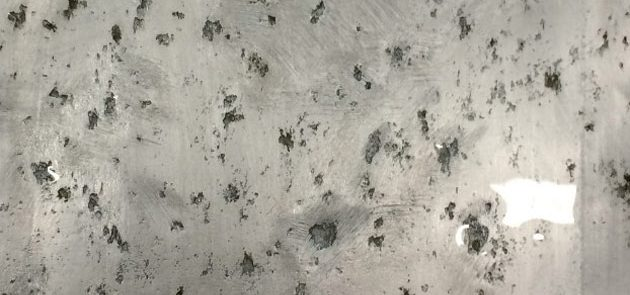
- Cause: Chloride ions (seawater, salt spray)
- Feature: Small pits that grow deeperp
- Risk: Hidden damage, sudden failure
2. Galvanic Corrosion
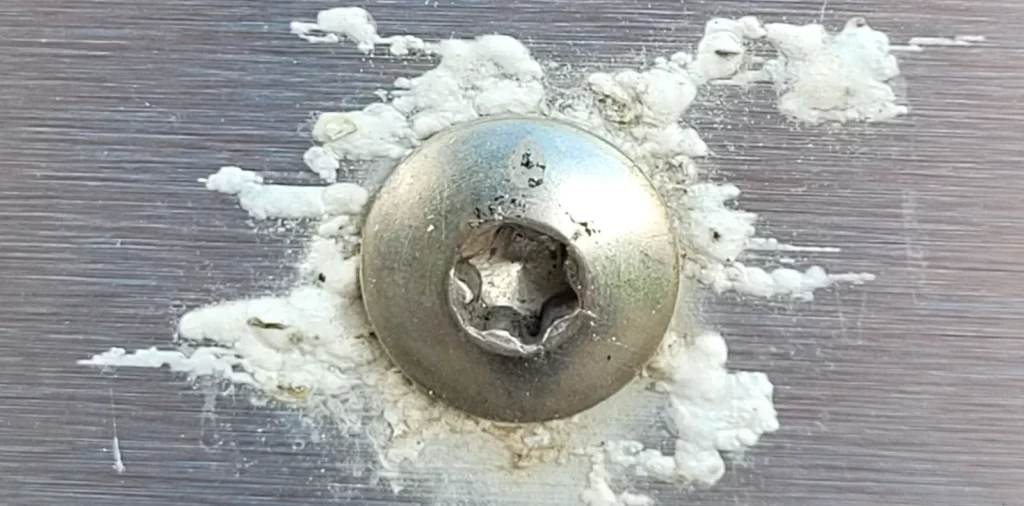
- Cause: Contact with dissimilar metals (steel, copper, stainless steel)
- Mechanism: Aluminum becomes the anode and corrodes first
- Common Areas: Bolts, fasteners, grounding points
3. Crevice Corrosion
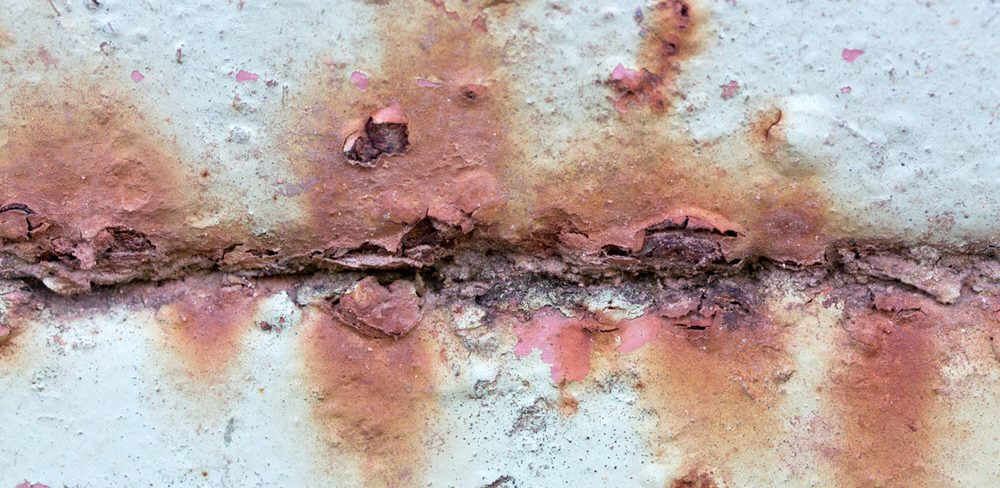
- Occurs in: Joints, under washers, bolt-tightened areas
- Cause: Oxygen depletion in confined spaces
- Effect: Weakens connections over time
4. Intergranular Corrosion
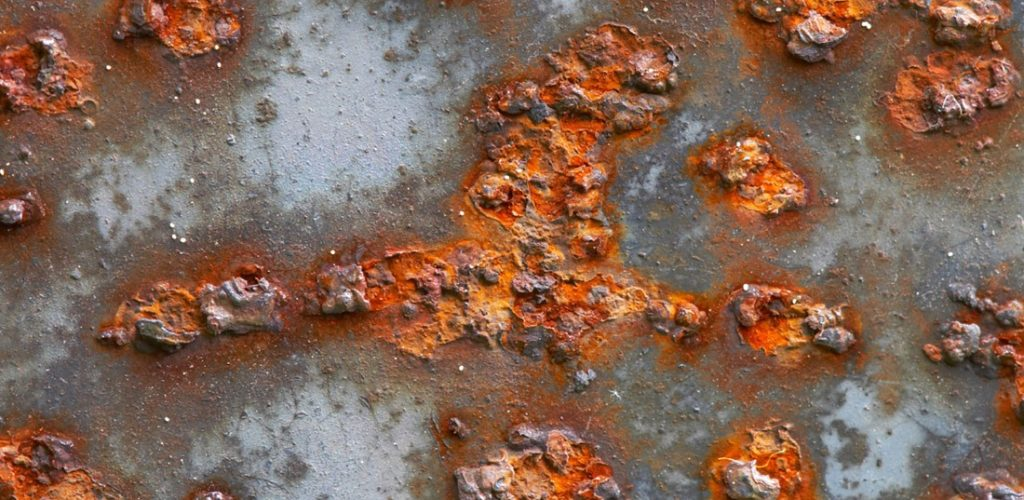
- Common in: High-strength aluminum alloys (7xxx series)
- Cause: Grain boundary reactions
- Risk: Internal damage with no visible signs
What Accelerates Aluminum Corrosion?
Three major environmental factors increase aluminum corrosion:
- Chlorides: The biggest threat to aluminum oxidation stability
- Extreme pH: Strong acids or alkalis destroy the oxide layer
- Heat and mechanical damage: Break the protective film repeatedly
04 | How to Prevent Aluminum Corrosion Right Aluminum Alloy
- 1xxx series: Excellent corrosion resistance, low strength
- 5xxx series: Best for marine environments
- 6xxx series: Balanced performance (widely used)
- 7xxx series: High strength but needs protection
2. Apply Surface Treatments
- Anodizing: Thickens and stabilizes the oxide layer
- Coatings: Powder coating or liquid coating systems
3. Improve Structural Design
- Avoid direct contact with dissimilar metals
- Ensure proper drainage and ventilation
- Reduce crevices and trapped moisture areas
FAQ: Aluminum Corrosion Explained
Does aluminum rust in seawater?
No. Aluminum does not rust, but it suffers from pitting corrosion in marine environments. Use marine-grade alloys like the 5xxx series for better performance.
Why does aluminum turn white or powdery?
This is usually aluminum oxide or hydroxide, a corrosion product. It indicates the environment is aggressive.
Does anodized aluminum prevent rust?
Aluminum never rusts. Anodizing improves corrosion resistance, but additional protection is still needed in harsh environments.
How to prevent galvanic corrosion in aluminum systems?
- Electrically isolate dissimilar metals
- Use compatible fasteners
- Apply protective coatings
Conclusion
Aluminum is often seen as a “rust-free” material. That is true—but incomplete.
Its real advantage is high corrosion resistance, not immunity.
Understanding aluminum corrosion helps engineers and buyers make better decisions—especially in industries like construction, marine, and solar mounting systems.
If you are working with aluminum structures or combining them with stainless steel fasteners, proper material selection and corrosion control design are essential to ensure long-term performance.