What Is Electroplating?
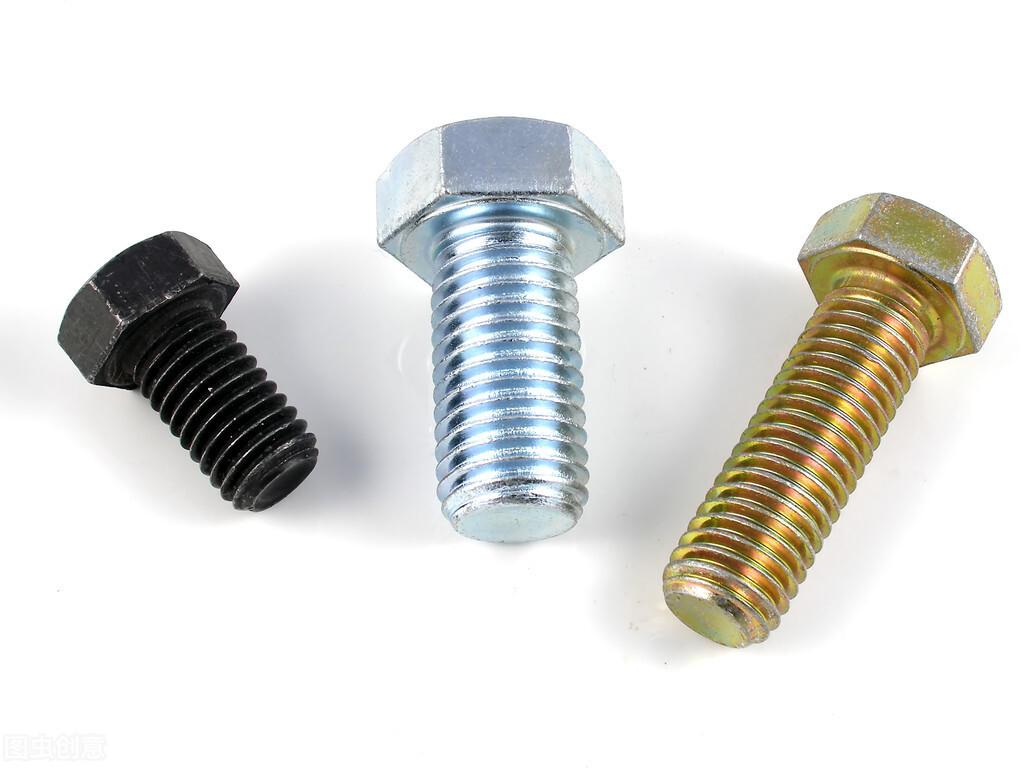
Electroplating is a process that uses electrolysis to deposit a thin layer of metal onto the surface of a material.
This metal coating typically ranges from a few microns to several tens of microns in thickness. In some functional applications, the coating can be even thicker.
Why Use Electroplating?
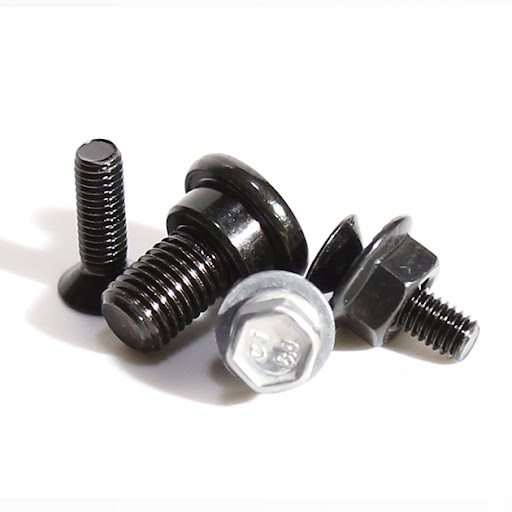
Electroplated coatings serve multiple purposes in manufacturing:
- Prevent oxidation (e.g., rust protection for steel)
- Improve wear resistance
- Enhance electrical conductivity
- Increase reflectivity
- Improve surface appearance (decorative finish)
- Restore dimensional accuracy caused by wear or machining errors
Among all plating options, the most commonly used types are:
- Zinc Plating (Zn)
- Nickel Plating (Ni)
- Chromium Plating (Cr)
The key differences between them come down to cost, appearance, and performance.
Common Types of Electroplating
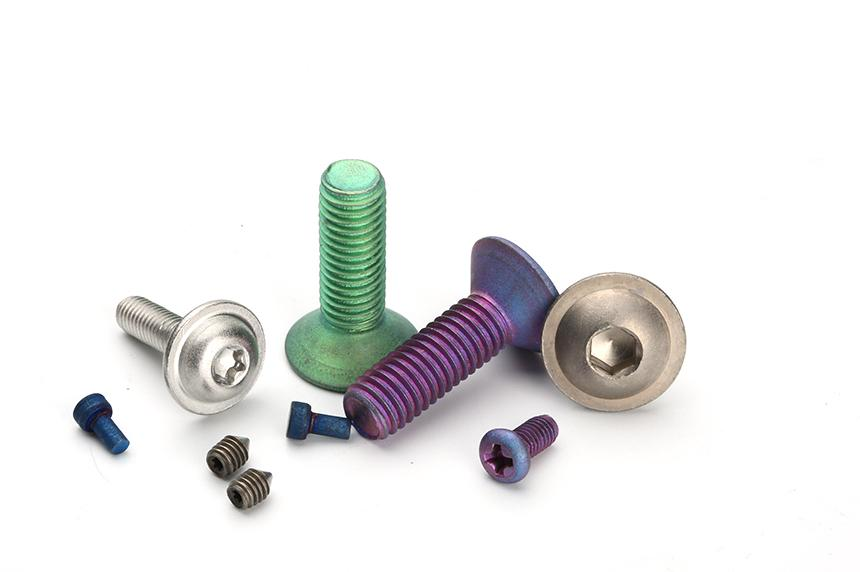
Zinc Plating (Zn)
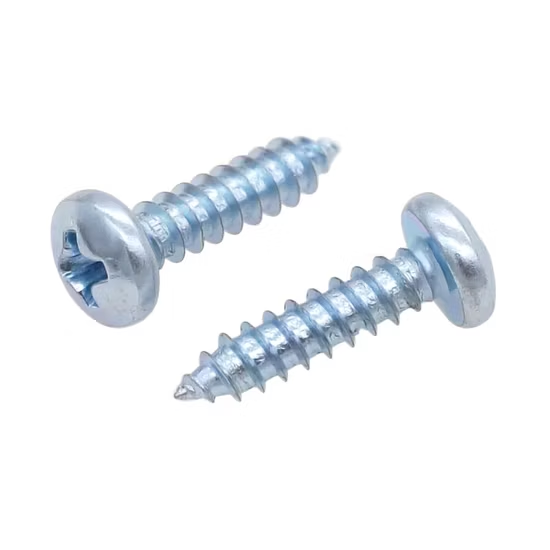
Zinc plating applies a protective zinc layer to the surface, primarily for corrosion resistance.
Common processes:
- Hot-dip galvanizing
- Electro-galvanizing
Key features:
- Stable rust protection
- Silver-white appearance
- Limited resistance to strong acids and alkalis
Applications:
- Fasteners
- Hardware components
- Steel structures
- Electrical enclosures
Hot-dip galvanizing provides a thicker coating and better corrosion resistance, while electro-galvanizing offers a smoother and more attractive finish.
Nickel Plating (Ni)
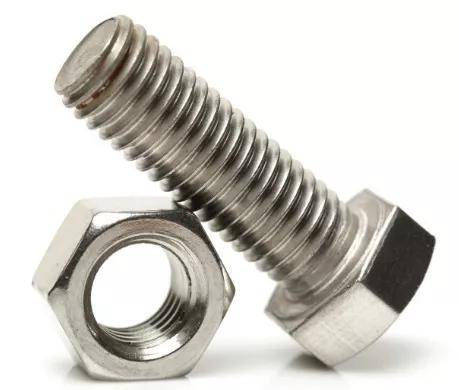
Nickel can be deposited via electroplating or electroless plating, serving as a decorative layer, a functional coating, or an intermediate layer.
Typical uses:
- Decorative finishes
- Corrosion protection
- Underlayer for chromium plating (Ni → Cr)
- Dimensional repair (thick nickel plating)
Key features:
- Slightly yellowish silver appearance
- Moderate hardness
- Good wear and corrosion resistance
- Electroless nickel offers uniform thickness and non-magnetic properties
Applications:
- Electronic components
- Molds and tooling
- Hardware parts
- Decorative elements
Thick nickel plating is often used to restore or compensate for dimensional tolerances.
Chromium Plating (Cr)
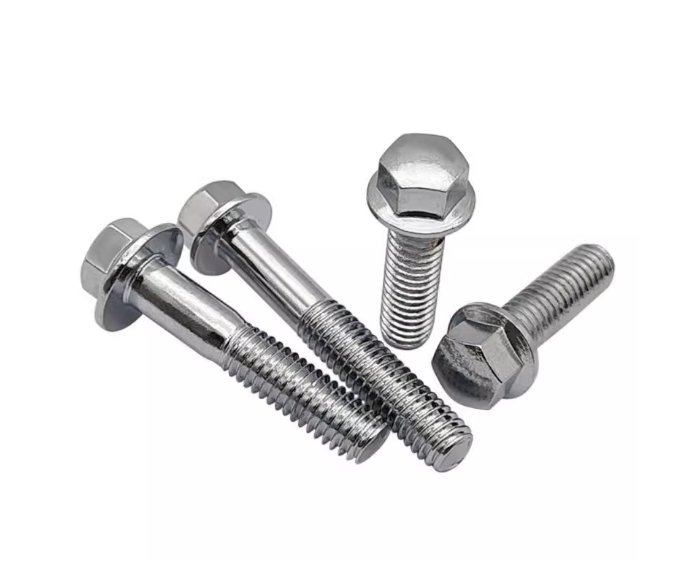
Chromium plating is typically applied as a surface layer and can be divided into:
- Decorative chromium plating (thin layer)
- Hard chromium plating (thick layer)
Key features:
- Very high hardness
- Excellent wear resistance
- High reflectivity
- Heat resistance (stable below 500°C)
Applications:
- Home appliance finishes
- Electronic housings
- Mechanical shafts
- Molds
- Faucets and sanitary fittings
Hard chrome is used for durability and wear resistance, while decorative chrome focuses on appearance.
Quick Comparison: Zinc vs Nickel vs Chromium
| Property | Zinc Plating (Zn) | Nickel Plating (Ni) | Chromium Plating (Cr) |
|---|---|---|---|
| Main Function | Corrosion protection | Protection + decoration + repair | Decoration/hardness/wear resistance |
| Appearance | Silver-white | Slightly yellowish silver | Bright, mirror-like silver |
| Corrosion Resistance | Best (hot-dip) / moderate (electro) | Good (excellent for electroless Ni) | Moderate (lower than Ni or hot-dip Zn) |
| Hardness & Wear | Low | Medium to good | High (especially hard chrome) |
| Cost | Low (especially hot-dip) | Medium to high | High (especially decorative chrome) |