
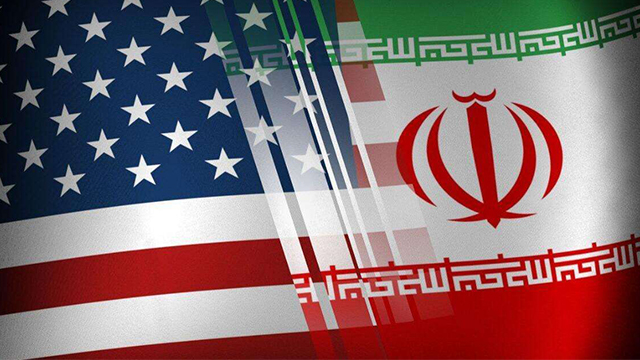
At the beginning of 2026, global industrial supply chains once again felt the impact of geopolitics.
Tensions in the Middle East have kept markets focused on the security of the Strait of Hormuz, one of the world’s most critical oil shipping routes. A large share of global seaborne oil passes through this narrow corridor. Whenever risks rise in the region, energy markets react quickly. This year, oil prices once again climbed above $100 per barrel.
Almost at the same time, another development caught the attention of manufacturers around the world: the tightening of nickel supply in Indonesia.
Indonesia is one of the most important sources of nickel globally. Recent production cuts and quota reductions at the Weda Bay mining area significantly lowered supply expectations. Nickel prices on the London Metal Exchange (LME) soon followed, rising sharply and gaining nearly 30% compared with late-2025 levels.
At first glance, oil prices and nickel mining seem like unrelated stories. In reality, both quickly converge within the manufacturing sector.
Higher oil prices increase transportation and energy costs. At the same time, nickel is a key element in stainless steel production. When nickel prices rise, the cost of stainless steel wire rod and other raw materials also climbs.
Eventually, the pressure reaches one of the most basic components of manufacturing: fasteners. Bolts, nuts, self-tapping screws, and rivets rarely attract attention, yet they are everywhere in modern industry. They connect steel structures, hold machinery together, and secure components in infrastructure and renewable energy systems.
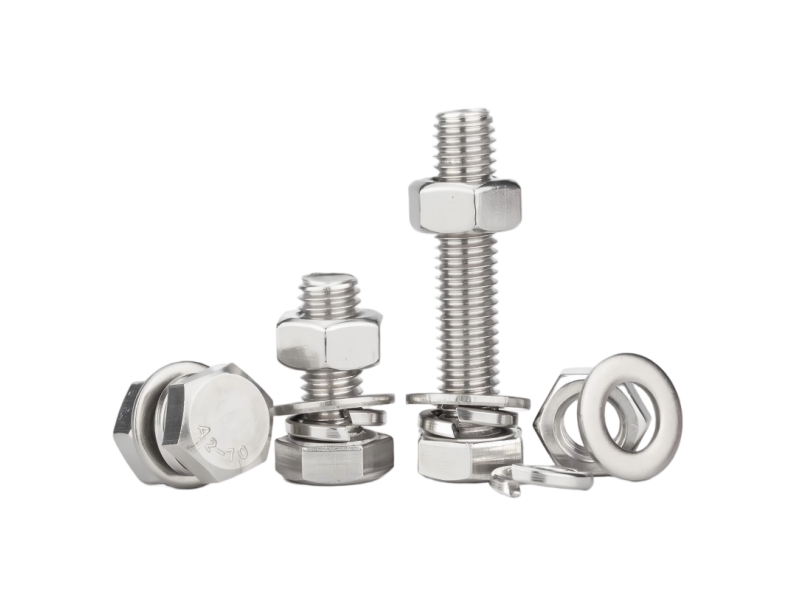
Because these products are used in such large volumes, even small changes in raw material costs can affect the entire fastener industry.
The sector itself operates on relatively thin margins. Many manufacturers rely on large-scale production rather than high markups. When both energy prices and raw material costs rise simultaneously, companies have little room to absorb the pressure. In many cases, price adjustments become unavoidable.
Shipping risks add another layer of uncertainty. Longer routes, higher insurance premiums, and unstable logistics conditions are pushing up global freight costs. For export-oriented manufacturers, this means tighter margins and more cautious overseas buyers.
In eastern China, where many metal manufacturing clusters are located, some companies are already adapting. For example, manufacturers such as Suzhou Bilateral, which produces stainless steel bolts and other industrial fasteners, are responding by securing long-term raw material contracts and optimizing production processes to control costs.
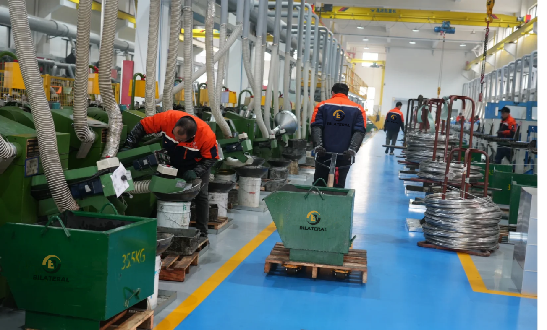
These adjustments may appear minor at the company level, but they reflect a broader shift.
For decades, global manufacturing prioritized efficiency and cost. Today, as energy routes and mineral resources become increasingly tied to geopolitically sensitive regions, supply chain security is gaining importance.
From rising oil prices to tighter nickel supplies, and eventually to the cost of a single bolt, the chain of impact may seem long. Yet it unfolds every day across global manufacturing.
Sometimes the effects of geopolitics are not only visible in energy markets.
They also appear in the smallest parts of the industrial world.