

At the Port of Rotterdam, a shipment of industrial fasteners from Asia is undergoing routine inspection. Nothing appears unusual—until the paperwork is reviewed. Among the standard certifications, one document is flagged: a declaration of carbon emissions linked to the production process.
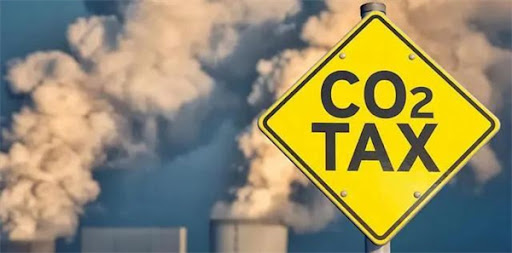
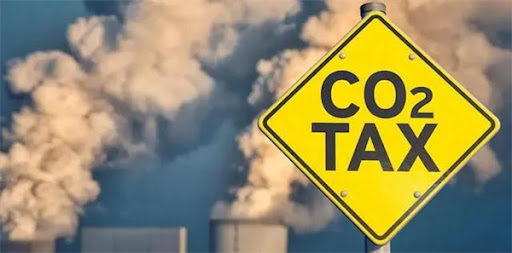
According to several customs agents on site, such cases have become increasingly common since late 2023. From 1 October 2023, the Carbon Border Adjustment Mechanism entered a transitional phase in which importers report emissions data on certain goods, without yet facing financial carbon obligations. From 1 January 2026, CBAM has entered its definitive phase, transitioning to stricter compliance requirements, including the need for importers to become authorized declarants and to prepare for future carbon-related reporting and adjustment obligations.

European policymakers have been explicit about the rationale. In public statements, officials have framed CBAM as a tool to ensure that imported goods bear a carbon cost comparable to that of domestic production. One policy adviser in Brussels noted that without such a mechanism, “emissions are displaced rather than reduced.”
The implications are particularly relevant for steel and its downstream products. While stainless steel fasteners are not directly taxed at the outset, their upstream processes—such as steelmaking, energy consumption, and material sourcing—are increasingly scrutinized. As a result, the price of a bolt now carries a trace of its origin.
Recent years have set the stage for this shift. From the energy shock following the Russia-Ukraine War to persistently elevated production costs across Europe, buyers have begun reassessing long-standing sourcing strategies. For some, reliance on low-cost supply alone appears less sustainable under emerging carbon constraints.
A European industrial buyer, speaking to trade media, described an additional layer now built into procurement decisions: whether a supplier can provide consistent and verifiable emissions data. “It’s not about ethics,” he said, “it’s about exposure. You need to know if your supplier will still be viable under future carbon pricing.”
Such caution is beginning to shape order flows. Intermediaries report that products accompanied by detailed traceability and emissions disclosures are more likely to be shortlisted for large-scale projects. Lower-priced offers, by contrast, do not always progress without comparable transparency.
These changes do not always present themselves in obvious ways.
A China-based supplier focused on stainless steel fasteners, Suzhou Bilateral, has recently begun adjusting the structure of its shipments to Europe. According to sources familiar with the company, this includes a gradual reconfiguration of production pathways—ranging from material sourcing to processing steps and data documentation—in response to evolving expectations around carbon reporting.
While subtle, these adjustments mirror a different reality within Europe. In recent years, energy price volatility and rising manufacturing costs have placed pressure on some domestic producers. External suppliers, meanwhile, face a different constraint: how to remain cost-competitive while adapting to increasingly detailed carbon accounting requirements.
Within this dynamic, shifts in order patterns are beginning to emerge. The same sources note that inquiries now extend beyond price and delivery timelines, often touching on production processes, material origins, and energy use. These questions rarely appear as formal requirements, yet they tend to influence final decisions.
For Suzhou Bilateral, the response has not followed a single path. Alongside incremental adjustments in manufacturing, the company has also been refining how production data is recorded and presented. Those familiar with the process suggest that such efforts are driven less by immediate compliance needs than by a desire to anticipate future uncertainties.
Viewed more broadly, these shifts appear to be unfolding on multiple levels at once: on one side, domestic production under cost pressure; on the other, external supply adapting to new rules. The distinction is not always explicit, but it is increasingly reflected in procurement choices.
Some analysts have described this as a change in the rules of trade itself. In their view, carbon border measures are less about adding cost and more about redefining how value is assessed. As one energy expert put it, future competition “may depend less on price alone, and more on how things are made.”
For now, many details remain unsettled. But from port inspections to factory floors—and into the subtle preferences of procurement teams—the contours of a new divide are already taking shape.