Semi-Tubular Shank Design
The hollow shank structure requires less installation force than solid rivets, allowing fast and efficient assembly while maintaining reliable fastening strength.

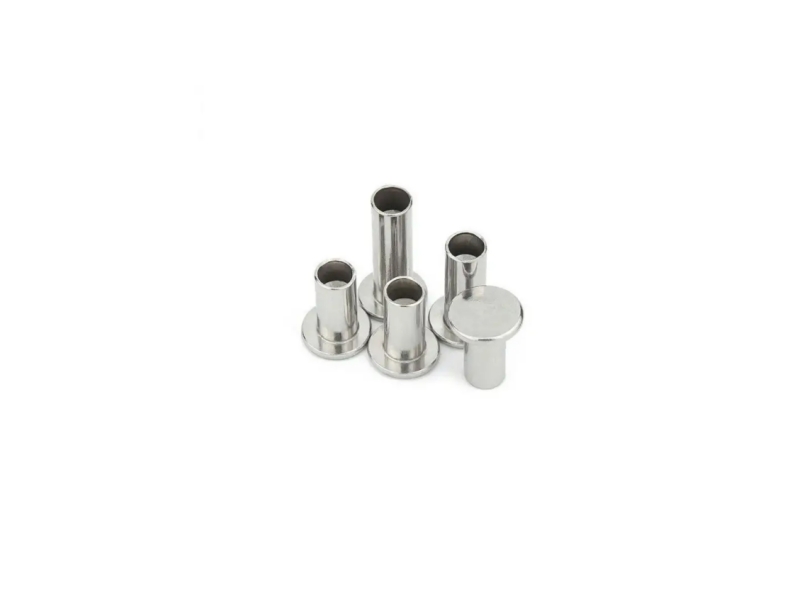
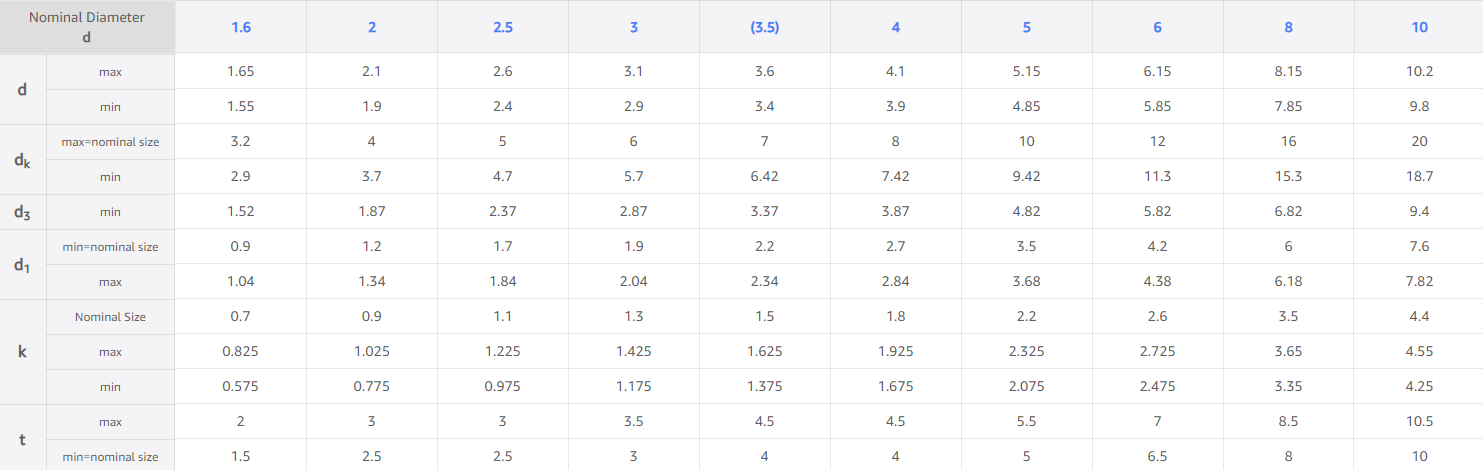
DIN 6791 is a German standard for semi-tubular pan head rivets, designed for permanent, non-threaded fastening applications. Featuring a smooth shank, low-profile pan head, and semi-hollow tubular end, these rivets require less installation force than solid rivets. During assembly, the hollow shank is plastically deformed by pressing or riveting tools to create a strong and reliable permanent joint.
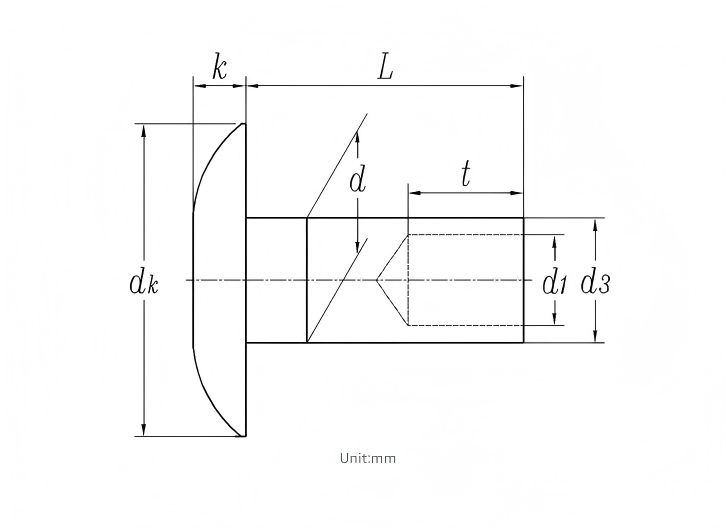
Lower Riveting Force, Protects Delicate Materials
The semi-tubular shank design significantly reduces the force required for riveting. During clinching or flaring, the required expansion force is only around one-quarter of that needed for solid rivets such as DIN 660. This allows DIN 6791 rivets to securely fasten soft or fragile materials, including plastics, phenolic boards, ceramics, and circuit boards, without crushing, cracking, or damaging the workpiece.
Reliable Permanent Fastening with Excellent Vibration Resistance
After installation, the hollow shank forms a strong metal flare that securely locks the assembled components together. As a non-threaded fastener, DIN 6791 eliminates the risk of loosening caused by vibration, impact, or continuous rotation. It provides long-term structural reliability in applications where traditional screws may require additional locking solutions.
Ideal Pivot Solution for Rotating Connections
DIN 6791 rivets can also function as effective pivot pins when properly installed. By controlling the riveting force to create a secure flare without fully clamping the components, the smooth cylindrical shank allows controlled relative rotation between connected parts. This makes them suitable for folding mechanisms, hinges, and movable assemblies.
The hollow shank structure requires less installation force than solid rivets, allowing fast and efficient assembly while maintaining reliable fastening strength.
The wide pan head provides a larger bearing surface, helping distribute clamping force evenly and reducing damage to connected materials.
DIN 6791 specifies semi-tubular pan head rivets.
DIN 6791 is a non-threaded semi-tubular rivet with a smooth shank. It creates a permanent joint through shank deformation, while screws use threads for removable fastening.
Common materials include carbon steel, stainless steel, and brass.
Yes. Custom sizes, materials, coatings, and packaging are available.