Thread Protection & Reusability
The elastic locking element prevents permanent thread deformation, reducing bolt damage and allowing repeated assembly.

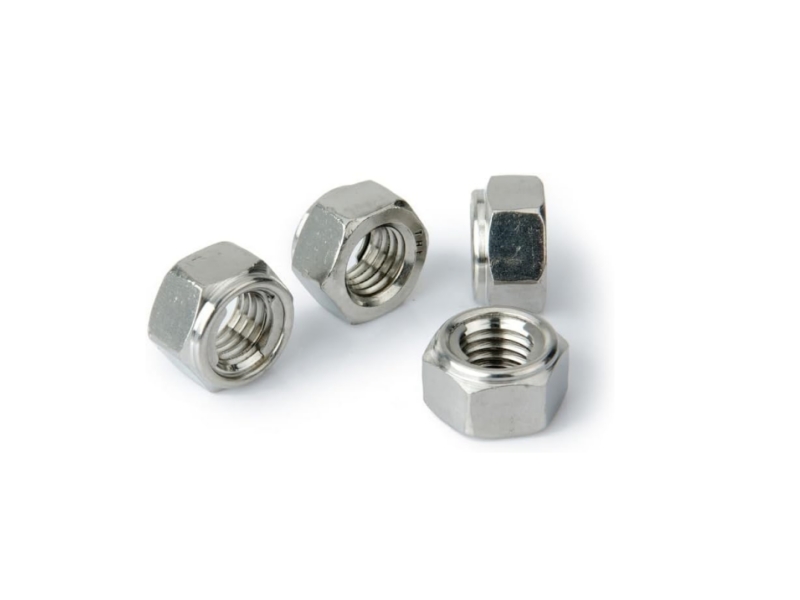
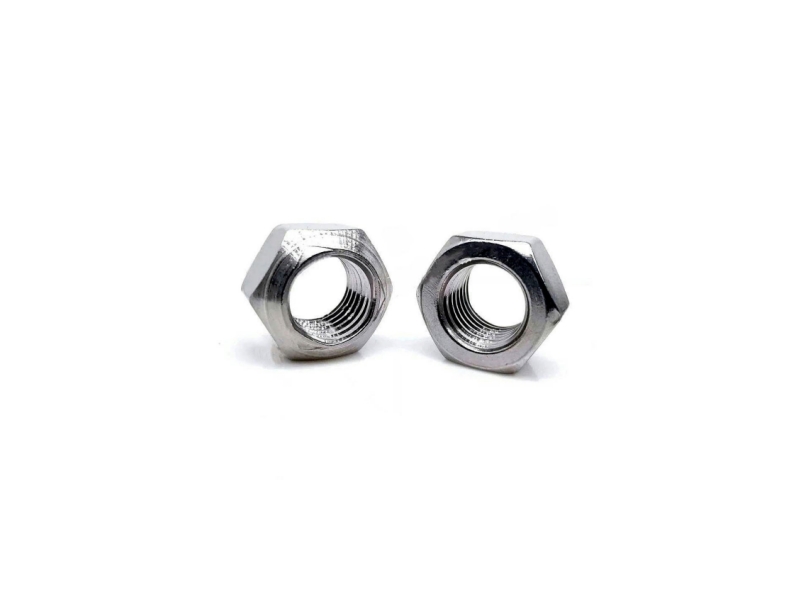
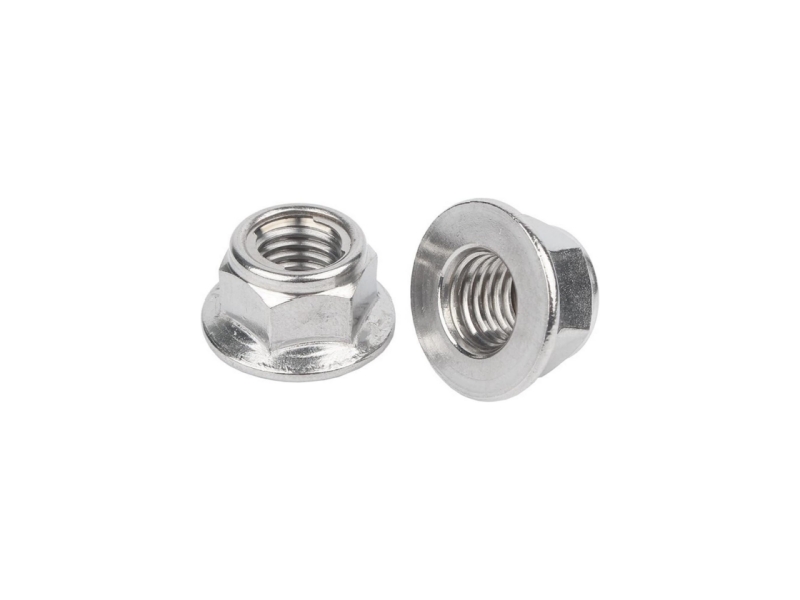
DIN 980M is a German industrial standard for a two-piece metal locking nut with an insert. Unlike the one-piece deformable locking nut (DIN 980V), the DIN 980M body consists of a two-piece assembly, and its self-locking capability is achieved through a heat-treated metal locking spring (metal insert) embedded in the top of the nut.
DIN 980M is specifically designed for secure fastening in harsh environments subject to vibration, shock, and temperature fluctuations. Unlike locking nuts with nylon inserts, DIN 980M employs a metal deformation locking mechanism that generates additional friction on the bolt threads, providing reliable anti-loosening performance without the need for non-metallic components. The all-metal construction enables DIN 980M nuts to perform exceptionally well in high-temperature environments and automotive systems.
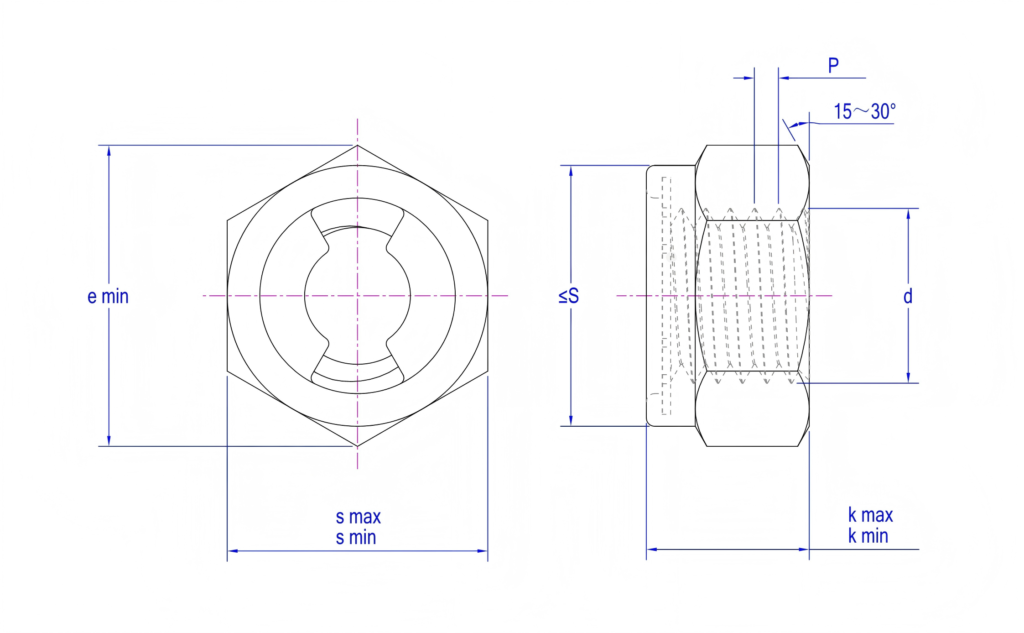
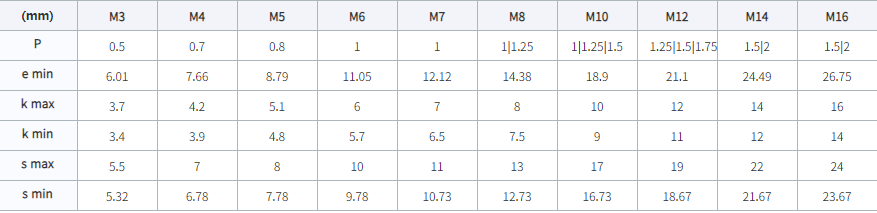
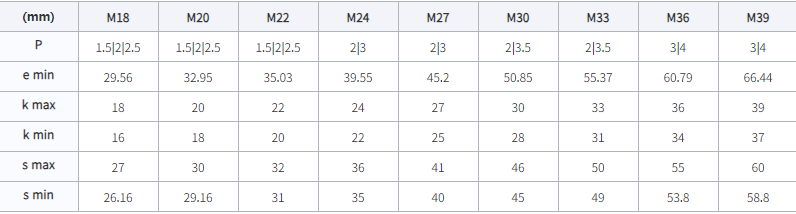
DIN 980M and DIN 980V are both all-metal prevailing torque lock nuts designed for vibration-resistant fastening. The main difference is the locking structure.
DIN 980M – Deformed Thread Locking Nut
Uses a deformed upper thread section to create friction with the bolt, providing reliable anti-loosening performance. It is widely used in general machinery, automotive, and industrial applications.
DIN 980V – Oval Locking Nut
Uses an oval-shaped deformation area to generate elastic locking force on the bolt thread. It provides stronger and more consistent locking performance, especially under severe vibration and dynamic loads.
Key Difference:
DIN 980M focuses on stable mechanical locking and cost efficiency, while DIN 980V offers higher vibration resistance and better preload retention for more demanding applications.
The elastic locking element prevents permanent thread deformation, reducing bolt damage and allowing repeated assembly.
The all-metal design contains no nylon parts, maintaining reliable locking performance in high-temperature environments.
The prevailing torque locking section provides consistent preload retention and prevents loosening under vibration.
DIN 980M is an all-metal prevailing torque hexagon lock nut designed to prevent loosening by increasing thread friction through a metal locking element.
The main difference is the locking method. DIN 980M uses an all-metal deformation system, while DIN 985 uses a nylon insert. DIN 980M offers better performance in high-temperature and harsh environments.
Yes, DIN 980M can generally be reused depending on application requirements and the remaining prevailing torque performance.
DIN 980M has been replaced in many applications by ISO 7042, which specifies prevailing torque type all-metal hexagon nuts.