Higher Load Capacity
The high-form design provides longer thread engagement compared with DIN 985, improving mechanical strength and allowing the nut to withstand higher loads and shear forces.

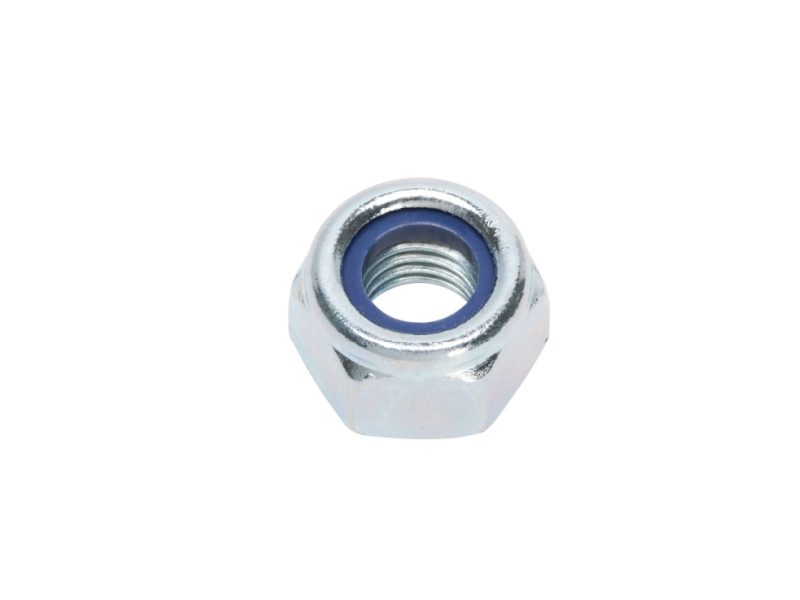
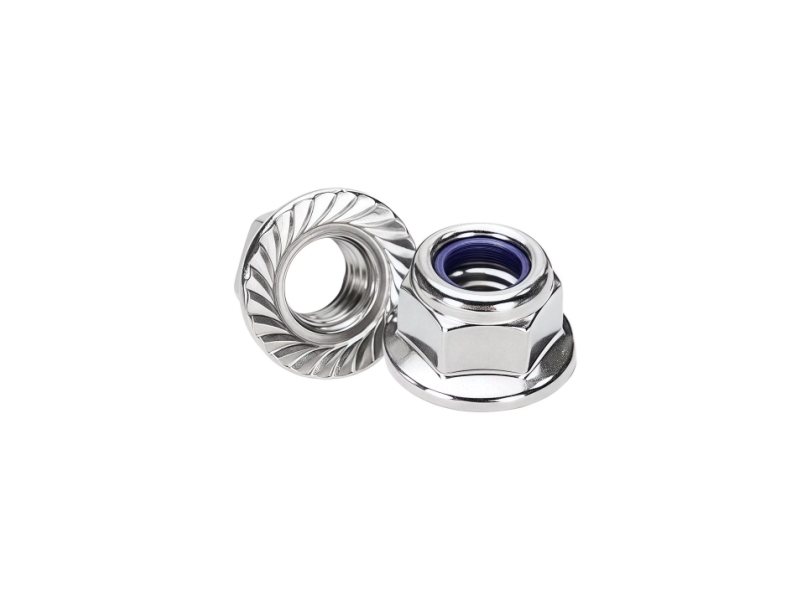
DIN 982 is a high-form hexagon lock nut with a non-metallic (nylon) insert, also known as a high nylon lock nut or reinforced nylon insert nut. It is one of the most widely used prevailing torque lock nuts. Compared with the standard DIN 985 nylon lock nut, DIN 982 features a higher and thicker nut body, providing better thread engagement and higher load capacity.
The integrated nylon insert deforms elastically when the bolt is tightened, creating additional friction on the thread surface. This generates prevailing torque to securely lock the connection without requiring additional locking washers or thread adhesives.
Compared with standard hex nuts, DIN 982 offers improved resistance against vibration, shock, and dynamic loads, making it suitable for applications requiring reliable and long-lasting fastening performance.
Compared with standard hex nuts, DIN 982 uses a nylon insert to generate prevailing torque, preventing accidental loosening caused by vibration or dynamic loads.
It is widely used in automotive components, machinery, electrical equipment, industrial structures, and applications requiring repeated vibration resistance.
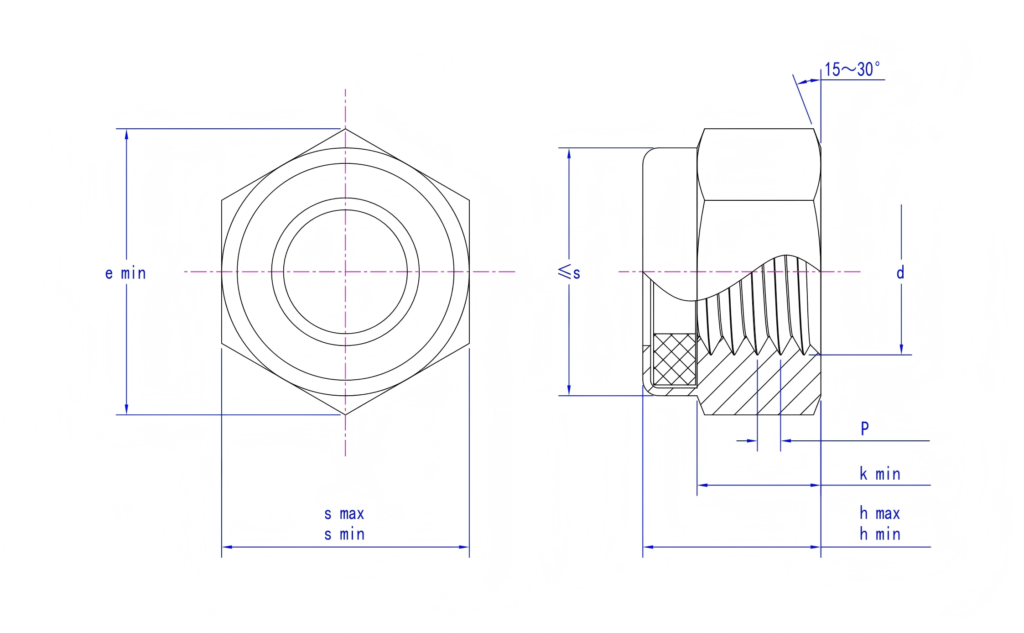
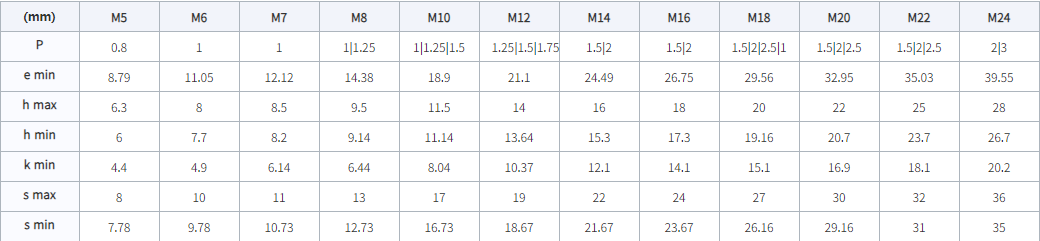
DIN 982 and DIN 985 are both nylon insert lock nuts, but their main difference is the nut height.
DIN 982 is preferred where stronger locking performance and higher mechanical strength are required.
Higher Strength and Load Capacity
DIN 982 is a high-form nylon insert lock nut, while DIN 985 is the standard low-form nylon insert lock nut. The increased height of DIN 982 provides longer thread engagement, resulting in better resistance to shear forces and higher mechanical loads.
Better Performance in Heavy-Duty Applications
Due to its thicker nut body and greater engagement length, DIN 982 offers improved structural strength and is more suitable for applications exposed to heavy loads, vibration, and dynamic stress. DIN 985 is generally preferred for standard fastening applications where space-saving is required.
Improved Reusability
Both DIN 982 and DIN 985 use a nylon insert to generate locking torque without damaging the bolt thread. However, the larger body size of DIN 982 provides better durability during repeated assembly and disassembly.
Application Difference
The high-form design provides longer thread engagement compared with DIN 985, improving mechanical strength and allowing the nut to withstand higher loads and shear forces.
The integrated nylon insert creates stable prevailing torque on the thread, effectively preventing loosening caused by vibration, shock, and dynamic loads.
The locking function relies on elastic nylon deformation rather than thread damage, helping protect bolt threads and allowing limited repeated assembly and disassembly.
DIN 982 is used for applications requiring vibration-resistant fastening, including automotive parts, machinery, equipment, and outdoor structures.
A standard hex nut relies only on bolt preload to maintain tightening force. Under vibration or repeated loading, the connection may gradually loosen. DIN 982 adds a nylon locking element that generates additional friction, creating a more stable connection without changing the installation method.
Yes, DIN 982 nuts can generally be reused several times, but the locking performance may decrease after repeated installation because the nylon insert gradually wears.
DIN 982 nuts are compatible with standard metric bolts such as DIN 931, DIN 933, ISO 4014, and ISO 4017 bolts with matching thread sizes.