Higher Load Capacity
The high-form design provides longer thread engagement compared with DIN 985, improving mechanical strength and allowing the nut to withstand higher loads and shear forces.

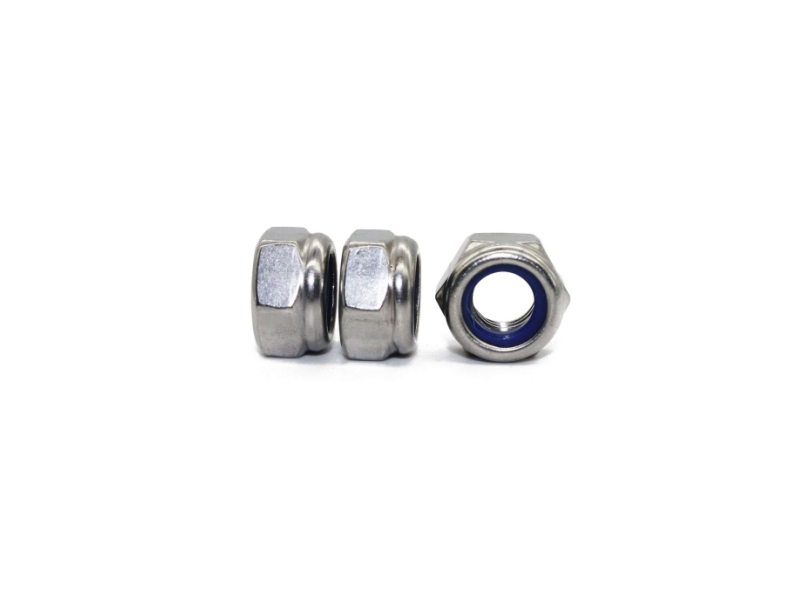
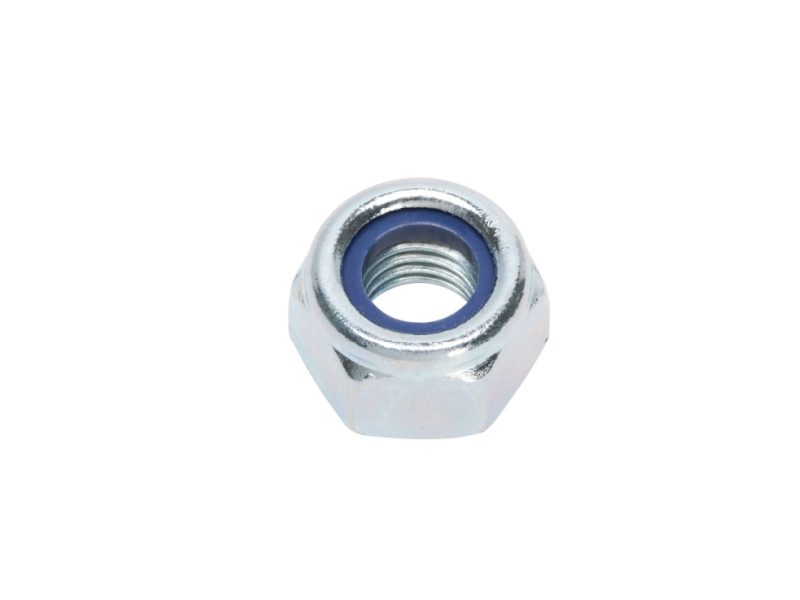
DIN 985 Hexagon Lock Nut with Nylon Insert is a low-profile prevailing torque lock nut designed to prevent loosening caused by vibration and dynamic loads. It features a built-in non-metallic nylon locking ring that provides resistance to the bolt threads, delivering reliable anti-loosening performance without additional locking elements.
Compared with standard hex nuts, it integrates a nylon ring inside the nut body. When tightened, the nylon insert deforms slightly and grips the bolt thread, increasing friction and preventing accidental loosening.
The low-profile design reduces the overall installation height, making it suitable for applications with limited space while still providing reliable locking performance.
Also known as a Nyloc Nut / Nylon Insert Lock Nut / Self-Locking Hex Nut, DIN 985 is widely used in automotive, machinery, electrical equipment, furniture, and general industrial fastening applications.
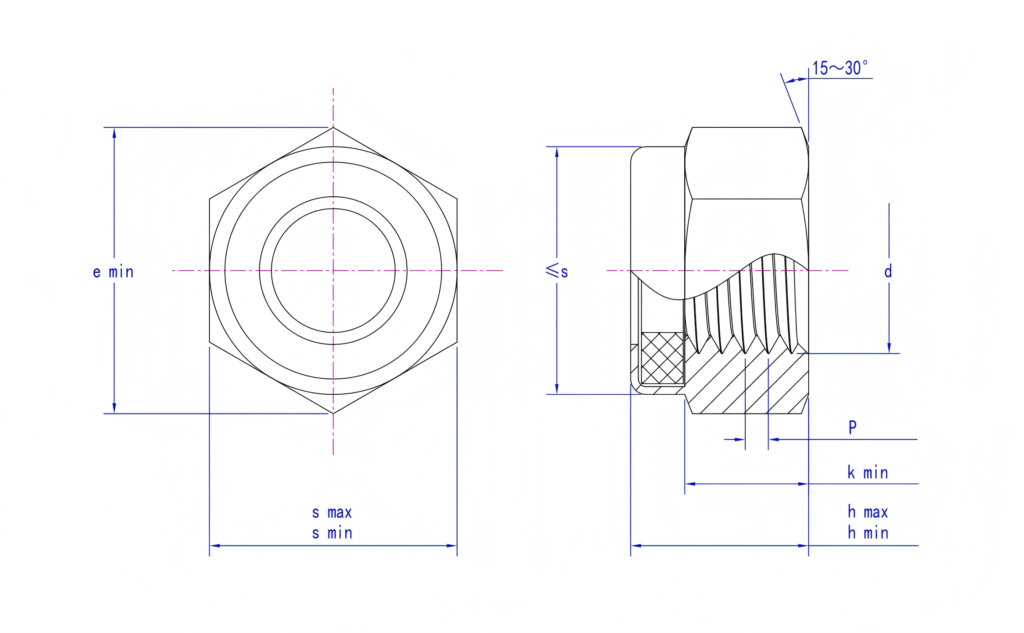
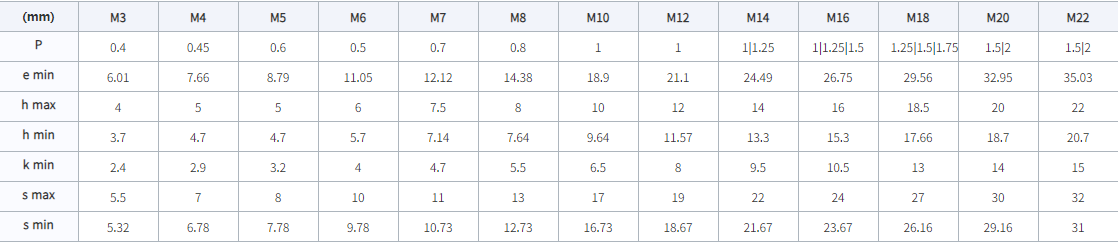
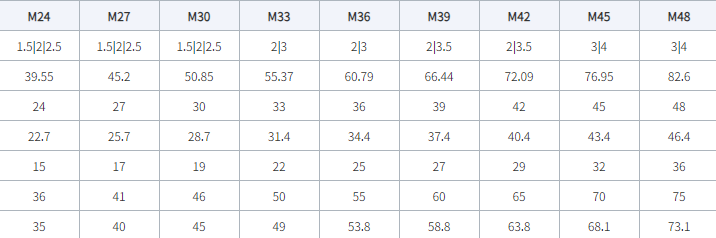
DIN 982 and DIN 985 are both nylon insert lock nuts, but their main difference is the nut height.
DIN 982 is preferred where stronger locking performance and higher mechanical strength are required.
Higher Strength and Load Capacity
DIN 982 is a high-form nylon insert lock nut, while DIN 985 is the standard low-form nylon insert lock nut. The increased height of DIN 982 provides longer thread engagement, resulting in better resistance to shear forces and higher mechanical loads.
Better Performance in Heavy-Duty Applications
Due to its thicker nut body and greater engagement length, DIN 982 offers improved structural strength and is more suitable for applications exposed to heavy loads, vibration, and dynamic stress. DIN 985 is generally preferred for standard fastening applications where space-saving is required.
Improved Reusability
Both DIN 982 and DIN 985 use a nylon insert to generate locking torque without damaging the bolt thread. However, the larger body size of DIN 982 provides better durability during repeated assembly and disassembly.
Application Difference
The high-form design provides longer thread engagement compared with DIN 985, improving mechanical strength and allowing the nut to withstand higher loads and shear forces.
The integrated nylon insert creates stable prevailing torque on the thread, effectively preventing loosening caused by vibration, shock, and dynamic loads.
The locking function relies on elastic nylon deformation rather than thread damage, helping protect bolt threads and allowing limited repeated assembly and disassembly.
DIN 985 is used to prevent bolts from loosening under vibration, shock, and dynamic loads. It is widely applied in machinery, automotive, and industrial equipment.
A normal hex nut has no locking mechanism, while DIN 985 includes a nylon insert that creates friction against the bolt thread to prevent self-loosening.
Yes, DIN 985 nuts can generally be reused several times, but the locking performance may decrease after repeated installation and removal.
DIN 985 has been replaced by DIN EN ISO 10511 in international standardization. The two standards are similar, but some dimensions have been updated in ISO 10511.