
Quick Answer:
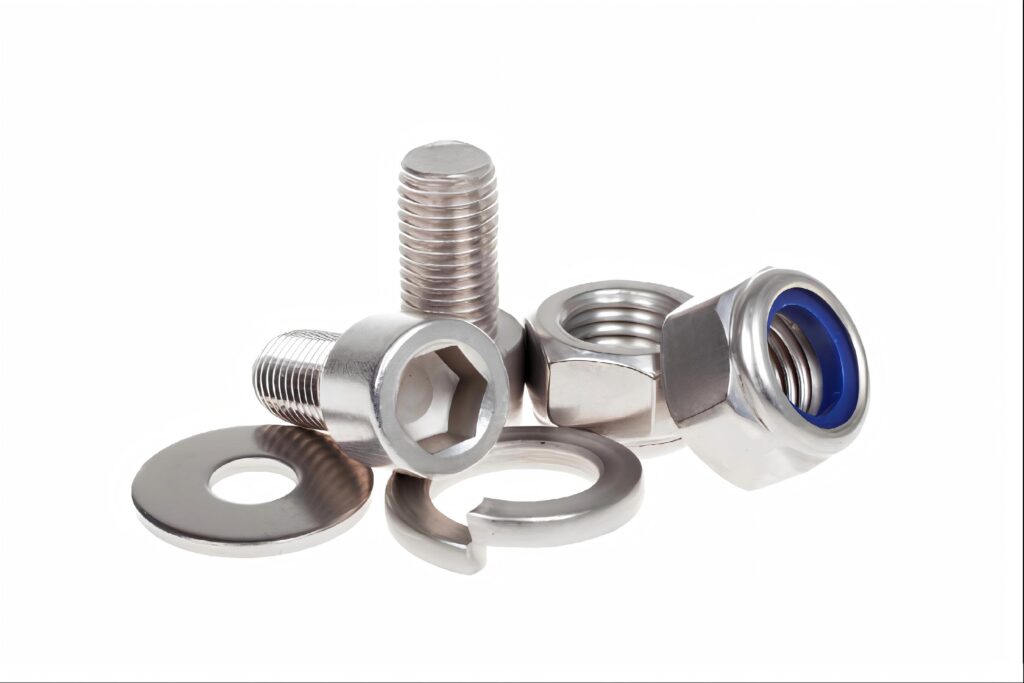
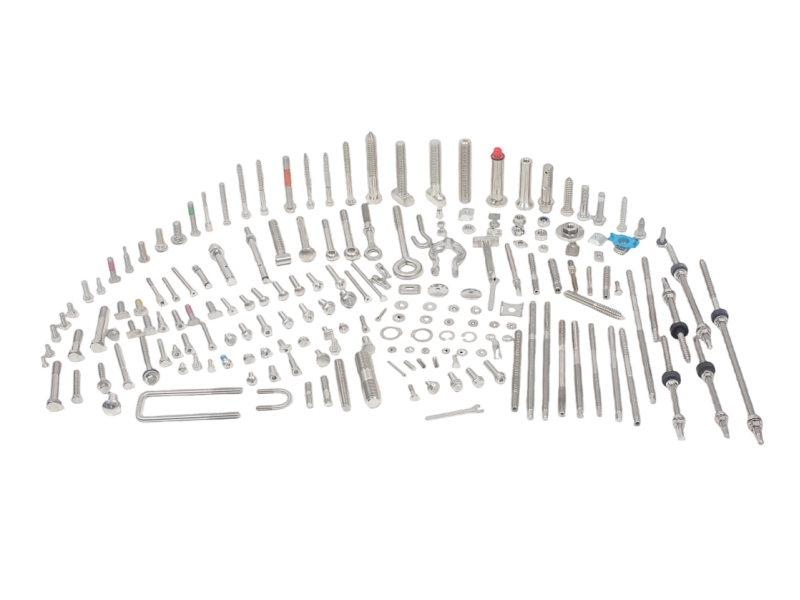
A stainless steel fastener is a hardware component made from steel with at least 10.5% chromium. It is the standard choice for B2B applications. Rust prevention and long-term strength are critical. This is especially true in marine, chemical, and food processing environments.
What defines a Stainless Steel Fastener?
In simple terms, it’s a bolt, nut, or screw that won’t rust away in a few months—the secret lies in its chromium content. When exposed to oxygen, it forms a “passive layer” that self-heals. If you scratch a stainless bolt, the protective film reforms instantly—something a galvanized bolt can’t do.
Why do projects rely on them?
In high-stakes environments like chemical plants, a single snapped bolt can shut down a line for days. Engineers specify stainless steel for:
Corrosion Resistance: Survives where carbon steel fails.
Temperature Stability: Maintains grip in both cryogenic cold and furnace heat.
Hygiene Standards: Essential for “clean-room” industries like pharma and food.
How to Choose: 304 vs. 316 vs. 410
Selecting the wrong grade is a costly mistake. Here is the field-tested breakdown:
| Grade | Common Name | Best Use Case | The “Catch” |
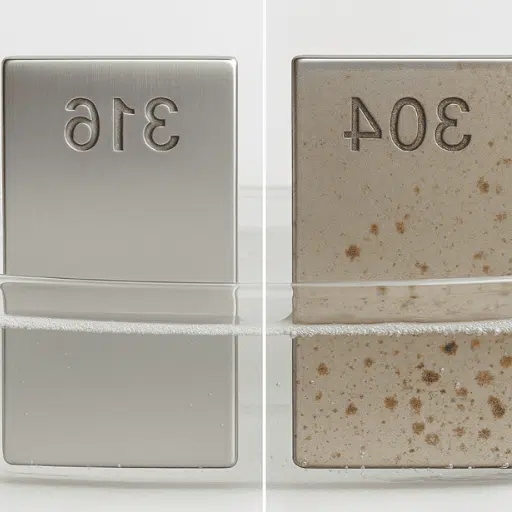
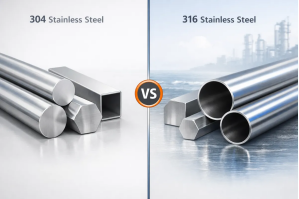
| 304 (A2) | 18-8 Stainless | General industrial/indoor use | Will “tea-stain” near salt water |
| 316 (A4) | Marine Grade | Coastal or chemical exposure | Higher upfront cost |
| 410 | Martensitic | Self-drilling screws & roofing | Lower corrosion resistance than 304 |
The Hidden Benefits of Stainless Steel
Long-Term ROI: You pay more on day one, but you aren’t paying for replacement labor in year five.
Sustainability: It’s 100% recyclable. For LEED-certified or green-energy projects, this is a major checkbox.
High-End Finish: No flaking or peeling. It keeps a clean, professional look indefinitely.
Avoiding “Galling” and Other Field Failures
1. The “Galling” Trap (Cold Welding)
If you’ve ever had a stainless nut seize onto a bolt halfway through tightening, that’s galling. It’s a friction-induced welding.
The Fix: Never use high-speed power tools for the final tightening. Always apply an anti-seize lubricant or use different grades for the bolt and nut.
2. The Magnetism Myth
“If it’s magnetic, it’s not real stainless.” This is a common misconception.
The Truth: While 300-series steel starts non-magnetic, the manufacturing process (cold working) can make it magnetic. Never use a magnet as a quality test; use a chemical Moly-test or XRF analyzer instead.
Procurement Checklist
Before placing an order, verify:
Environment: Is it within 5 miles of the coast? (If yes, use 316).
Strength Class: Does it meet Class 70 or 80 requirements?
Certification: Do you have the MTR (Material Test Report) for traceability?
Compatibility: Are you connecting it to aluminum? If so, use an isolation washer.
FAQ
Q: Can I use 304 stainless outside?
A: Yes, in most urban or rural areas. But if you’re near a highway (salt) or the ocean, it will develop brown spots within months. Use 316 for those spots.
Q: Why are 410 screws magnetic?
A: 410 is a martensitic steel. It’s designed for hardness so it can drill through metal, which requires a crystalline structure that happens to be magnetic.
Q: Is “18-8” the same as 304?
A: Essentially, yes. It refers to 18% chromium and 8% nickel, the base chemistry of the 304 alloy.
Conclusion
A stainless steel fastener is only as good as its grade selection. For most indoor work, 304 is your workhorse. For anything involving chemicals or salt, 316 is a mandatory investment. Getting this right saves you from the two things no manager wants: unexpected rust and expensive downtime.
Ready to specify materials for your next project?
Consult our engineers for a custom material analysis.
+86 13451555650 or sales@szbilateral.com