High Preload Capacity
Designed for friction-type structural joints, EN 14399 bolts provide stable clamping force to prevent joint slipping under heavy loads.

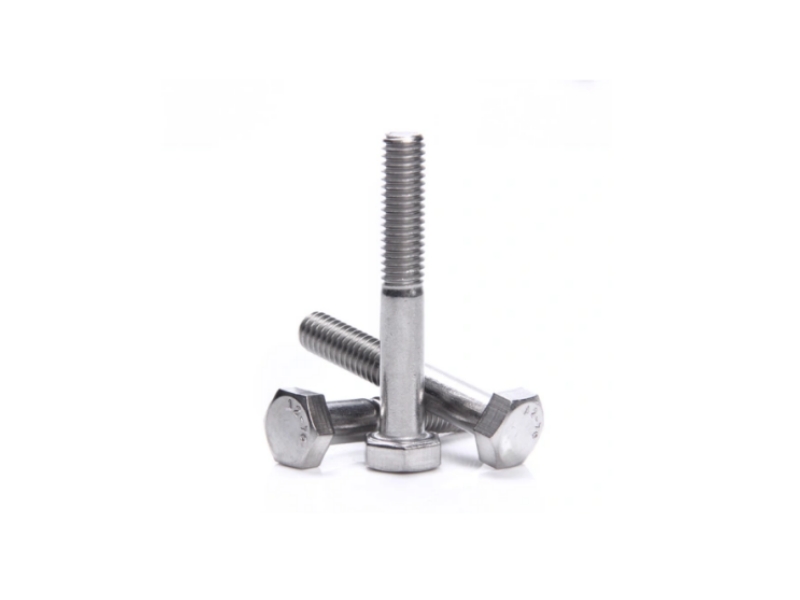
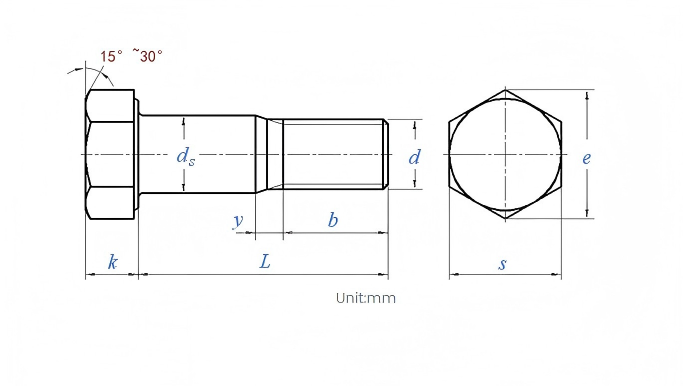
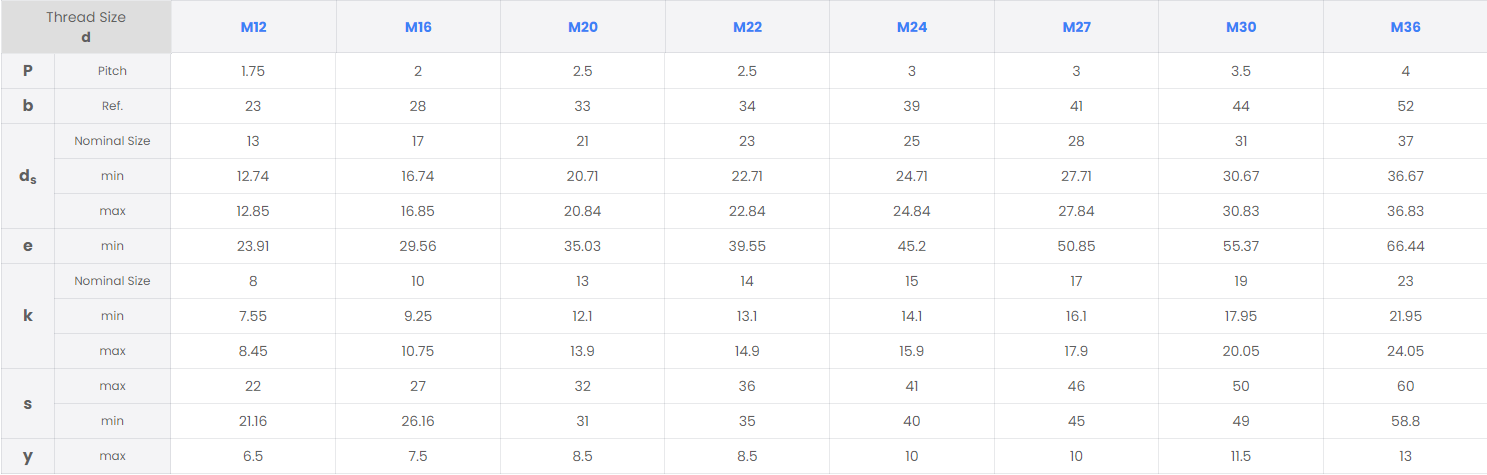
EN 14399 bolts are the most important high-strength, preloaded hexagonal bolts (HSFG) used in steel structure connections. Their key features include a larger hexagon head width across flats (WAF)—often referred to as “large hexagon”—and a wider bearing surface; these are designed to generate substantial axial preload through high torque, enabling the transfer of external loads via friction between the contact surfaces of the connected components. They are widely used in bridges, high-rise buildings, and heavy-load steel structure projects. In European and international engineering, System HV bolts (EN 14399-4) and System HR bolts (EN 14399-3) are the most commonly used types.
High Strength Hexagon Bolt Assembly
High Strength Structural Hexagon Bolt Assembly
Tension Control Bolt Assembly
EN 14399 Bolt
DIN 6914 Bolt
Designed for friction-type structural joints, EN 14399 bolts provide stable clamping force to prevent joint slipping under heavy loads.
Bolt, nut, and washer are supplied as a tested set to ensure reliable installation performance.
EN 14399 bolt is a high-strength structural bolt assembly designed for preloaded steel structures. It consists of a bolt, nut, and washer set that is tested and matched to provide reliable clamping force for critical steel connections.
EN 14399 bolts are specifically designed for preloaded structural joints where controlled tightening force is required. Unlike standard bolts, EN 14399 assemblies must meet strict requirements for preload performance, tightening behavior, and component compatibility.
Yes. EN 14399 bolts can be supplied with suitable corrosion protection finishes, including hot dip galvanizing and zinc flake coatings, depending on project requirements and installation conditions.
Yes. Manufacturers can provide customization options, including: Bolt length; Thread length; Surface coating; Packaging; Marking requirements; OEM production