Introduction
Stainless steel is not just one material—it is a full family of alloys with very different performance levels.
Some grades are designed for maximum corrosion resistance, while others focus on strength, hardness, or cost efficiency. This is why there is no single “best stainless steel”—only the right grade for the right application.
In this guide, we break down the most common stainless steel grades used in industrial applications and fasteners, and explain how they compare in real-world performance.
How We Rank Stainless Steel Grades
To make the comparison practical, we evaluate each grade based on three core factors:
- Corrosion Resistance – ability to resist rust in outdoor and humid environments
- Mechanical Strength – load-bearing and structural performance
- Durability in Service – long-term stability under stress and wear
We also consider:
- Cost efficiency
- Manufacturing feasibility
- Industrial usage frequency
Stainless Steel Ranking (From High to Basic Performance)
Premium Corrosion & Strength Balance (Top Industrial Choice)
316 / 316L Stainless Steel
- Excellent corrosion resistance (especially in marine or chemical environments)
- Better performance than 304 in chloride conditions
- Widely used in outdoor fasteners, solar systems, and coastal projects
Best for: Marine, coastal, chemical, and outdoor structural fasteners
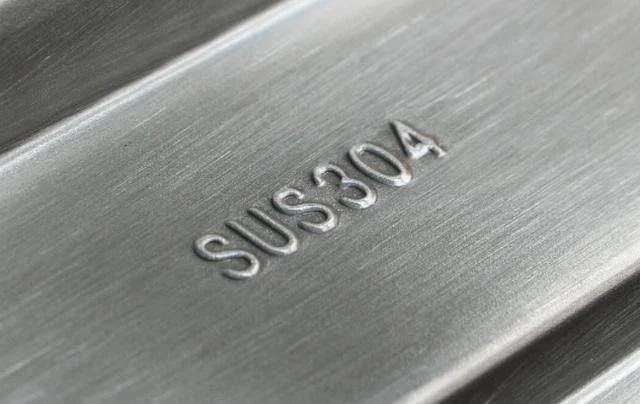
304 / 304L Stainless Steel
- Most commonly used stainless steel worldwide
- Good corrosion resistance in normal outdoor environments
- Excellent balance between cost and performance
Best for: General construction, indoor/outdoor hardware, standard fasteners
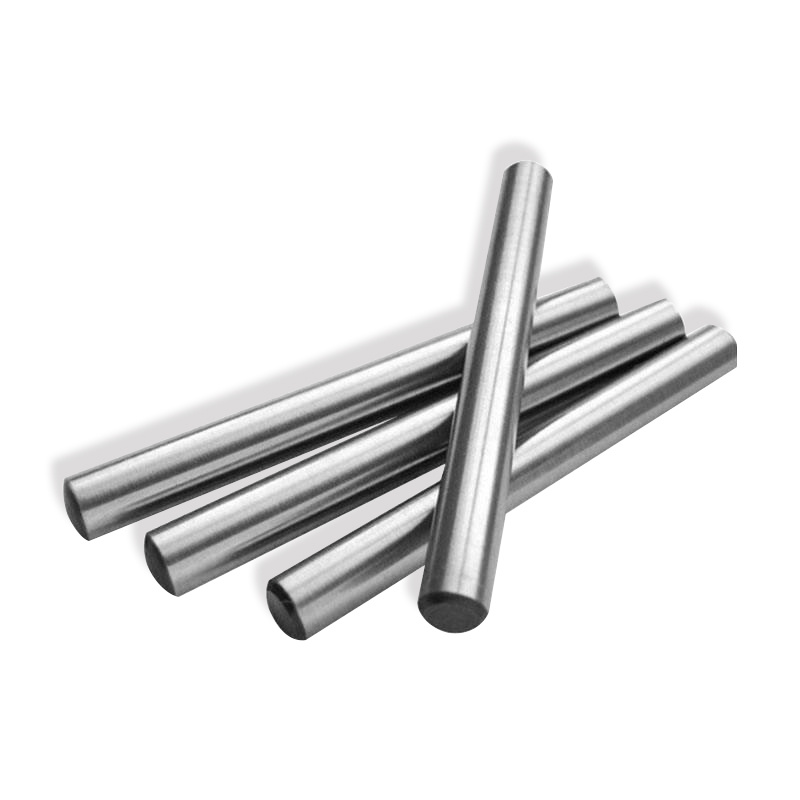
High-Strength Stainless Steel Grades
410 Stainless Steel
- Heat-treatable martensitic stainless steel
- Higher hardness than 304/316
- Lower corrosion resistance compared to austenitic grades
Best for: Self-tapping screws, mechanical fasteners, high-strength applications
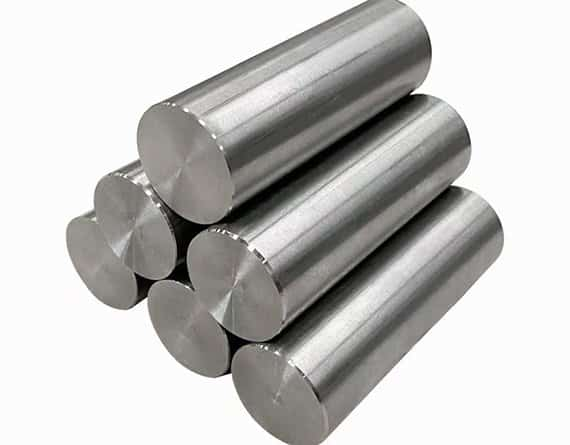
420 Stainless Steel
- Higher carbon content than 410
- Better hardness and wear resistance
- Moderate corrosion resistance
Best for: Cutting tools, precision fasteners, wear-resistant components
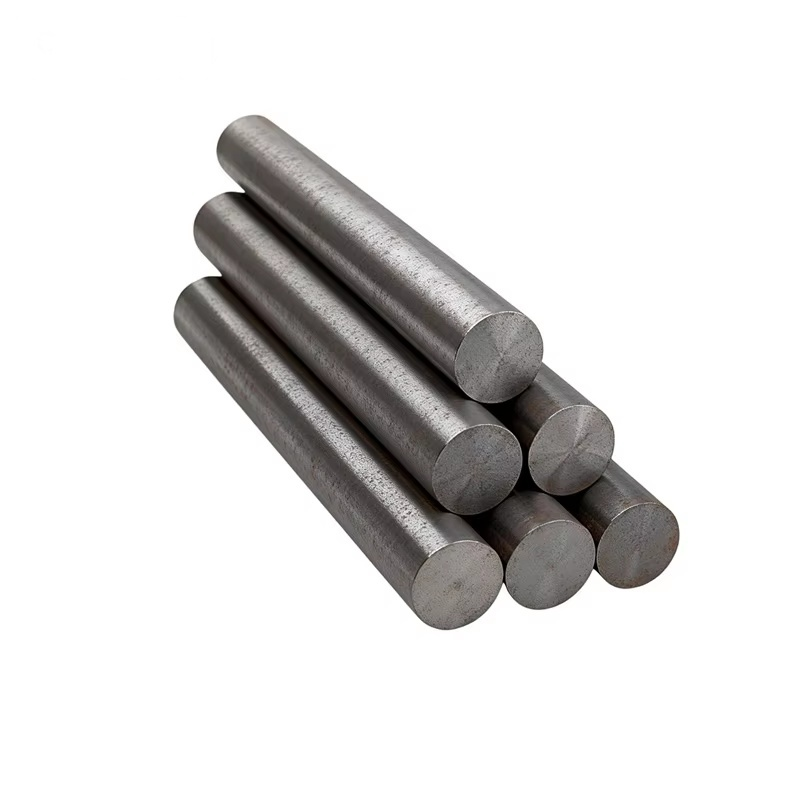
Specialized High-Performance Grades
Duplex 2205 Stainless Steel
- Very high strength + excellent corrosion resistance
- Superior to 304/316 in chloride environments
- Higher cost and more difficult to process
Best for: Offshore structures, heavy-duty engineering fasteners
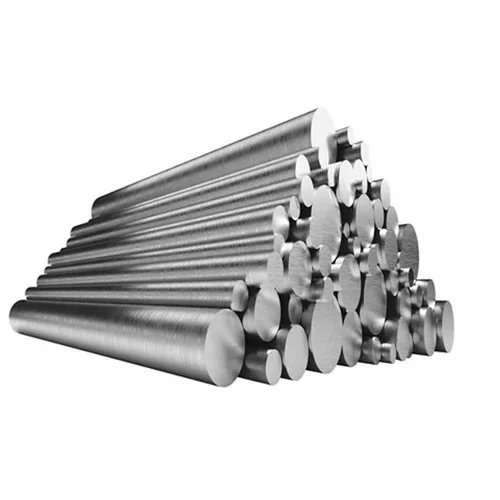
904L Stainless Steel
- Extremely high corrosion resistance
- Excellent in acidic and harsh chemical environments
- Very high material cost
Best for: Chemical plants, high-end industrial environments
Standard & Cost-Efficient Grades
201 Stainless Steel
- Lower nickel content (cost-effective alternative)
- Acceptable corrosion resistance in dry environments
- Not recommended for marine or high-humidity areas
Best for: Indoor applications, low-cost fasteners
430 Stainless Steel
- Ferritic stainless steel (magnetic)
- Moderate corrosion resistance
- Lower cost and good formability
Best for: Appliances, decorative parts, indoor components
Key Insights: Which Stainless Steel Is “Best”?
There is no universal winner. Instead, the “best” grade depends on the application:
- If corrosion resistance is a priority → 316 / 904L
- If cost-performance balance matters → 304
- If high strength is required → 410 / Duplex 2205
- If low cost is key → 201 / 430
Stainless Steel for Fasteners (Practical Recommendation)
For industrial fasteners such as bolts, screws, and solar mounting systems:
- 304 Stainless Steel → Standard choice
- 316 Stainless Steel → Outdoor/coastal/solar premium choice
- 410 Stainless Steel → Self-drilling / self-tapping screws
- Duplex 2205 → Heavy-duty structural applications
FAQ
Is 316 stainless steel better than 304?
Yes, in corrosion resistance—especially in marine or chloride environments. However, 304 is more cost-effective for general use.
What is the strongest stainless steel for fasteners?
Duplex 2205 offers the best combination of strength and corrosion resistance, but it is more expensive and harder to process.
Why is 304 stainless steel so popular?
Because it provides the best balance between cost, corrosion resistance, and manufacturability.
Which stainless steel is best for outdoor use?
316 stainless steel is the most reliable choice for long-term outdoor exposure.
Conclusion
Stainless steel grades are not “better or worse”—they are purpose-driven materials.
Choosing the correct grade depends on the environment, load requirements, and budget. For fasteners and industrial applications, 304 and 316 remain the global standard, while duplex and martensitic grades serve more specialized engineering needs.
Need the Right Stainless Steel Fasteners for Your Project?
Choosing the right stainless steel grade is only the first step. In real applications, performance also depends on fastener design, coating, manufacturing precision, and installation environment.
At Suzhou Bilateral, we supply a full range of stainless steel fasteners, including stainless steel bolts, screws, nuts, washers, solar hanger bolts, and solar fasteners, available in 304, 316, 410, and duplex grades. Our products are designed for construction, solar mounting systems, and industrial applications.
Whether you need corrosion-resistant stainless steel bolts for outdoor structures, self-drilling screws for metal sheet installation, or high-strength fasteners for demanding engineering environments, our engineering team can help you select the right material and specification for your project.
Get in touch with us to request technical support, samples, or a quotation.
We respond quickly and can support both OEM and large-scale industrial orders.